
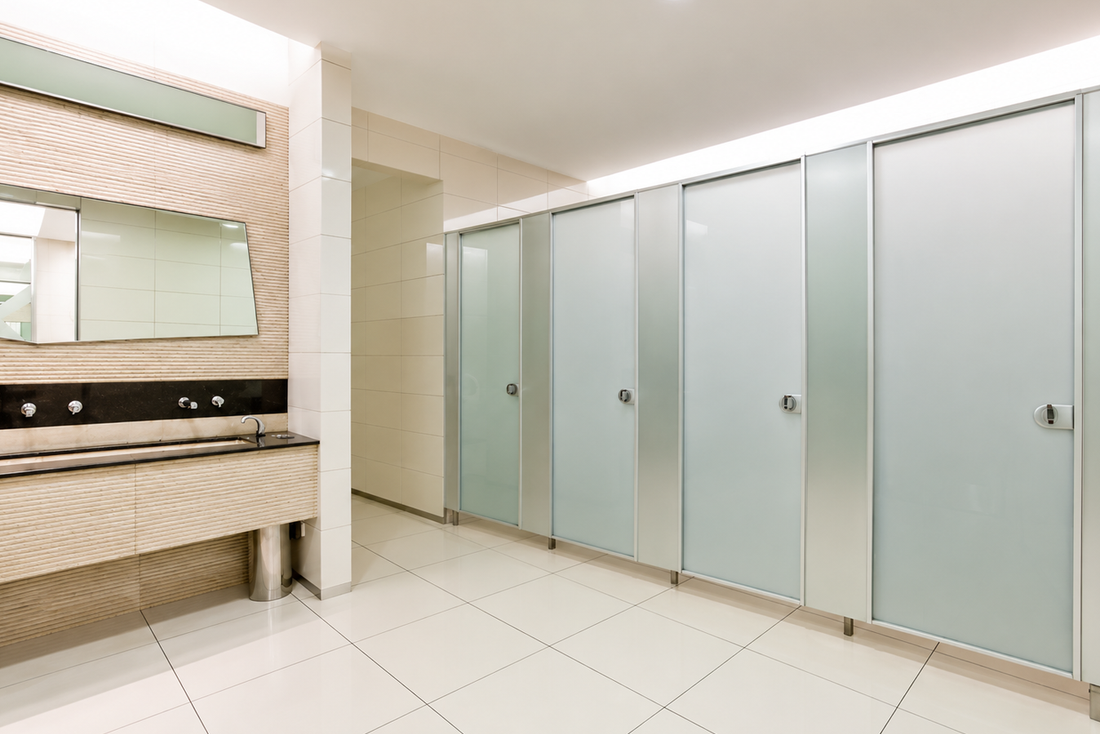
Commercial restroom hygiene plays an important role in how customers, employees, and visitors perceive a facility. Whether managing an office building, railways, airport, healthcare facility, hotel, educational institution, or transportation hub, businesses are increasingly looking for practical ways to improve restroom cleanliness and user confidence.
One solution that has gained widespread adoption is the commercial toilet seat cover. Businesses evaluating restroom hygiene improvements may also benefit from reviewing a comprehensive restroom hygiene checklist to identify additional opportunities to enhance facility cleanliness. Commercial toilet seat covers help provide a hygienic barrier between users and toilet seats while supporting overall restroom hygiene initiatives.
However, not all toilet seat cover solutions are the same. Facility managers must consider factors such as hygiene, maintenance requirements, sustainability, user experience, and long-term operating costs when selecting the right option.
This guide compares the most common commercial toilet seat cover solutions and explains how businesses can determine which option best fits their facility.
Key Takeaways
- Flushable flushable toilet seat covers are often the preferred choice for commercial facilities due to their balance of hygiene, convenience, and maintenance efficiency.
- Businesses provide toilet seat covers to improve user comfort, support restroom hygiene programs, and strengthen facility reputation.
- High-traffic facilities such as airports, hotels, healthcare facilities, and educational institutions have unique restroom management needs.
- Dispenser-based systems can improve accessibility, reduce waste, and simplify replenishment.
- Toilet seat covers work best when combined with broader restroom hygiene practices such as routine cleaning and consumable management.
Table of Contents
- Why Restroom Hygiene Matters in Commercial Facilities?
- Why Businesses Offer Toilet Seat Covers?
- Common Toilet Seat Cover Options for Commercial Restrooms
- Key Factors Businesses Should Consider Before Choosing a Toilet Seat Cover Solution
- Which Toilet Seat Cover Option Works Best for High-Traffic Restrooms?
- The Benefits of Dispenser-Based Toilet Seat Cover Systems
- Commercial Toilet Seat Covers vs. Automatic Seat Cover Systems
- Improving Restroom Hygiene Beyond Toilet Seat Covers
- Choosing the Right Commercial Toilet Seat Cover Solution for Your Facility
- Related Restroom Hygiene Resources
- Improve Restroom Hygiene With LooREADY
|
Quick Answer What Is the Best Toilet Seat Cover for Commercial Restrooms? For most commercial facilities, flushable flushable toilet seat covers paired with dispenser systems offer the best combination of hygiene, user convenience, maintenance efficiency, scalability, and long-term operational value. |
However, the ideal solution depends on:
- Facility type
- Restroom traffic volume
- Maintenance resources
- Sustainability goals
- User expectations
| Option | Best For | Pros | Cons |
|---|---|---|---|
| Paper Covers | Offices | Low cost | Tear easily |
| Flushable Flushable Covers | Most facilities | Hygienic, convenient | Requires restocking |
| Automatic Systems | Premium facilities | Automated | High cost |
| Non-Flushable Covers | Specialized use | Durable | Disposal concerns |
Why Restroom Hygiene Matters in Commercial Facilities?

Restrooms often leave a lasting impression on building occupants and visitors. According to a recent 2026 survey conducted by the International Sanitary Supply Association (ISSA), restroom cleanliness and hygiene are top priorities for users.
For businesses, restroom hygiene can impact customer satisfaction, employee comfort, and brand reputation. Understanding how users perceive restroom cleanliness often starts with addressing concerns about germs and shared restroom surfaces.
Customer and Visitor Experience
In customer-facing environments such as airports, hotels, restaurants, entertainment venues, and healthcare facilities, restroom conditions can directly affect visitor satisfaction.
Studies on customer experience consistently show that restroom conditions influence how visitors evaluate a business. Poor restroom cleanliness can negatively affect perceptions of service quality, while clean facilities often reinforce trust and professionalism.
Employee Satisfaction and Workplace Wellness
In office environments, employees interact with restroom facilities daily. Consistently maintained restrooms contribute to workplace comfort and can support overall employee satisfaction.
Challenges in High-Traffic Restrooms
Commercial restrooms often experience significantly higher usage than residential bathrooms. High-traffic facilities such as airports, transportation hubs, healthcare facilities, and large office buildings may serve hundreds or even thousands of restroom users each day. This increased usage creates greater demands on cleaning schedules, consumable replenishment, and facility maintenance. This creates challenges such as:
- Frequent cleaning requirements
- Increased supply consumption
- Greater exposure to germs and contaminants
- Higher maintenance demands
- User concerns about shared surfaces
As a result, many organizations implement multiple hygiene measures, including touch-free fixtures, enhanced cleaning protocols, and commercial toilet seat cover systems.
Why Businesses Offer Toilet Seat Covers?
|
Short Answer: Why Do Businesses Provide Toilet Seat Covers? Businesses provide toilet seat covers to improve user comfort, support restroom hygiene initiatives, meet customer expectations, enhance employee satisfaction, and reinforce facility cleanliness standards. |

Commercial toilet seat covers are not simply an added restroom amenity. Many organizations view them as part of a broader restroom hygiene strategy designed to improve user confidence, support facility cleanliness initiatives, and enhance the overall restroom experience. While restroom requirements vary by industry, businesses often provide toilet seat covers for several common reasons.
User Comfort and Confidence
Many restroom users prefer an additional barrier when using shared facilities, particularly in high-traffic environments. Concerns about restroom germs are common, even though many public restroom hygiene concerns are often misunderstood. Providing toilet seat covers helps address these concerns and may improve overall user confidence when using public or workplace restrooms.
Meeting Customer Expectations
Customers often evaluate a facility based on the cleanliness and condition of its restrooms. In hospitality, transportation, healthcare, and other customer-facing industries, restroom amenities can influence overall perceptions of service quality and professionalism.
Supporting Employee Satisfaction
Employees interact with workplace restrooms every day. Providing restroom hygiene products, such as toilet seat covers, can demonstrate attention to employee comfort and contribute to a positive workplace environment.
Protecting Facility Reputation
Restroom conditions often shape how visitors perceive an organization's standards. Businesses that invest in restroom hygiene solutions may strengthen their reputation for cleanliness, professionalism, and attention to detail.
Supporting Restroom Hygiene Programs
Many facilities use toilet seat covers alongside routine cleaning schedules, touch-free fixtures, hand hygiene stations, and regular inspections. When combined with these measures, toilet seat covers can support comprehensive commercial restroom hygiene programs. Check out our guide to the complete restroom hygiene checklist to maintain consistent restroom standards.
Common Toilet Seat Cover Options for Commercial Restrooms
Businesses can choose from several types of toilet seat cover solutions. Each option offers distinct advantages and limitations.
Traditional Paper Toilet Seat Covers
Traditional paper seat covers have been used in commercial restrooms for decades.
Advantages
- Familiar to most users
- Widely available
- Relatively inexpensive
Limitations
- Can tear easily during use
- May not provide full seat coverage
- Often creates waste if improperly disposed of
- Require regular monitoring and restocking
While paper seat covers remain common, some facilities seek alternatives that improve durability and user convenience.
Flushable Flushable Toilet Seat Covers
Flushable flushable toilet seat covers are designed for single use and can typically be disposed of directly through the restroom's waste stream according to manufacturer guidelines.
Advantages
- Convenient for users
- Single-use hygiene barrier
- Easy disposal process
- Suitable for high-traffic facilities
- Available in dispenser-based systems
- Can support sustainability initiatives when made from environmentally responsible materials
Limitations
- Product quality varies among suppliers
- Requires reliable refill management
For many facilities, flushable flushable covers offer a practical balance between user expectations and operational efficiency.
Facility managers comparing options may also find it helpful to review whether toilet seat covers are sanitary and how they compare with other restroom hygiene practices.
Automatic Toilet Seat Cover Systems
Automatic systems use mechanical or electronic mechanisms to replace seat coverings between uses.
Advantages
- Automated operation
- Reduced user handling
- Modern appearance
Limitations
- Higher installation costs
- Increased maintenance requirements
- Potential equipment downtime
- More complex servicing needs
These systems are often found in specialized facilities where budgets and infrastructure support more advanced restroom technologies.
Plastic or Non-Flushable Toilet Seat Covers
Some facilities utilize non-flushable materials designed to create a protective barrier.
Advantages
- Durable construction
- Strong physical coverage
Limitations
- Disposal challenges
- Increased waste generation
- Potential environmental concerns
- Additional custodial workload
As sustainability becomes a larger priority, many organizations evaluate whether flushable, flushable alternatives better align with their environmental goals.
Key Factors Businesses Should Consider Before Choosing a Toilet Seat Cover Solution
Selecting a commercial restroom hygiene solution involves more than comparing product prices.
Hygiene and User Confidence
The primary purpose of a toilet seat cover is to help users feel more comfortable when using shared restroom facilities.
Businesses should consider:
- Ease of use
- Consistent availability
- Reliable coverage
- User adoption rates
A solution that users avoid or find difficult to access provides limited value regardless of cost.
Ease of Maintenance
Facility managers must evaluate the operational impact of any restroom product.
Questions to consider include:
- How often will dispensers require refilling?
- Are replacement products easy to store?
- Does the system simplify maintenance workflows?
- Can custodial teams manage replenishment efficiently?
Operational simplicity often contributes to lower long-term costs.
Cost Efficiency Beyond Product Price
The lowest-cost option may not always deliver the best overall value. Businesses purchasing bulk toilet seat covers should evaluate more than unit pricing. Long-term value often depends on replenishment efficiency, maintenance requirements, and user satisfaction.
Businesses should assess:
- Labor requirements
- Restocking frequency
- Waste management costs
- Equipment maintenance expenses
- User satisfaction outcomes
A comprehensive evaluation helps determine true cost efficiency.
Sustainability and Environmental Impact
Many organizations have established environmental goals and sustainability initiatives. Sustainability has become a growing priority for facility managers as organizations seek to reduce waste, improve operational efficiency, and meet environmental commitments. Products that support responsible disposal and efficient resource use can contribute to broader sustainability objectives.
Considerations may include:
- Flushability
- Material composition
- Waste reduction
- Packaging efficiency
- Responsible sourcing practices
Products that support sustainability objectives can contribute to broader facility management goals.
Compatibility With Existing Restroom Infrastructure
Commercial restroom solutions should integrate smoothly into existing facilities.
Businesses should assess:
- Available wall space
- Dispenser installation requirements
- Traffic patterns
- Accessibility considerations
- Maintenance procedures
Compatibility helps ensure a smooth implementation process.
Which Toilet Seat Cover Option Works Best for High-Traffic Restrooms?
Different industries face different restroom management challenges.
Office Buildings

Office environments prioritize employee satisfaction, convenience, and efficient facility maintenance. Employees use workplace restrooms daily, making restroom cleanliness an important part of the overall workplace experience.
Flushable flushable toilet seat covers often provide a practical balance between hygiene, ease of management, and maintenance efficiency for office facilities.
Airports and Transportation Facilities

Airport restrooms often serve thousands of travelers daily, creating unique operational challenges. Maintenance teams must balance cleanliness, supply availability, and user satisfaction while minimizing disruptions. As a result, many transportation facilities prioritize restroom solutions that are easy to replenish and manage efficiently.
Similar restroom hygiene challenges can also be seen in public transportation and travel environments where users frequently rely on shared facilities.
Facilities often require solutions that:
- Support rapid replenishment
- Minimize maintenance complexity
- Improve traveler confidence
- Withstand heavy usage
Hotels and Hospitality Properties

Guest perception is critical in hospitality settings. Guests often evaluate a property's overall cleanliness based on restroom conditions. Whether in hotels, resorts, conference centers, or entertainment venues, restroom amenities can influence guest satisfaction and reinforce a brand's commitment to cleanliness. Toilet seat covers may help improve user confidence while supporting hospitality hygiene programs.
Restroom amenities often contribute directly to the overall guest experience and brand reputation.
Healthcare Facilities

Healthcare facilities place a strong emphasis on cleanliness, infection prevention, and visitor confidence. While toilet seat covers are only one part of a broader restroom hygiene program, they can help support user comfort in clinics, hospitals, outpatient centers, and medical office buildings.
Facility managers often prioritize solutions that are easy to replenish, maintain, and integrate into existing cleaning protocols.
Educational Institutions

Schools, universities, and educational campuses often experience heavy restroom usage throughout the day. Facility teams must balance maintenance efficiency, product availability, and user accessibility while managing large numbers of students, staff, and visitors.
Durable, easy-to-maintain toilet seat cover systems can help support restroom hygiene programs in these high-traffic environments.
The Benefits of Dispenser-Based Toilet Seat Cover Systems

Many commercial facilities choose dispenser-based systems because they improve both user experience and operational efficiency.
Benefits may include:
Improved Accessibility
Users can quickly locate and access seat covers when needed.
Better Restroom Organization
Wall-mounted dispensers help reduce clutter and maintain a professional appearance.
Reduced Waste
Controlled dispensing can help minimize unnecessary product usage.
Easier Maintenance
Custodial teams can quickly identify refill needs during routine inspections.
Consistent Availability
Reliable access encourages user adoption and supports restroom hygiene initiatives.
Commercial Toilet Seat Covers vs. Automatic Seat Cover Systems
| Factor | Flushable Toilet Seat Covers | Automatic Systems |
|---|---|---|
| Initial Investment | Lower | Higher |
| Installation Requirements | Minimal | Significant |
| Maintenance Complexity | Low | Moderate to High |
| Equipment Downtime Risk | Minimal | Higher |
| User Familiarity | High | Moderate |
| Scalability Across Facilities | High | Moderate |
| Sustainability Options | Available | Varies |
For many commercial facilities, flushable toilet seat cover systems provide a practical combination of affordability, simplicity, and user acceptance.
Improving Restroom Hygiene Beyond Toilet Seat Covers

Toilet seat covers should be viewed as one component of a broader restroom hygiene strategy.
Organizations seeking to improve restroom cleanliness should also focus on:
- Routine restroom inspections
- Consistent cleaning schedules
- Soap and sanitizer availability
- Touchpoint disinfection
- Proper waste management
- Consumable inventory monitoring
- Staff training and accountability
When combined, these measures help create a cleaner and more comfortable restroom experience for users.
Choosing the Right Commercial Toilet Seat Cover Solution for Your Facility
The best commercial toilet seat cover solution depends on the unique needs of each facility.
Businesses should evaluate:
- Traffic volume
- User expectations
- Maintenance resources
- Sustainability objectives
- Budget considerations
- Facility type
For many offices, railway stations, airports, hospitality venues, healthcare facilities, and educational institutions, flushable flushable toilet seat covers paired with dispenser systems offer an effective balance of hygiene, convenience, and operational efficiency.
By selecting solutions that support both user comfort and facility management goals, organizations can strengthen restroom hygiene programs while improving the overall visitor experience.
Related Restroom Hygiene Resources
- Airport Restroom Sanitation Products: How High-Traffic Airports Maintain Hygiene
- Improving Passenger Hygiene Experience in First-Class Train Coaches
- A Complete Restroom Hygiene Checklist for Commercial Facilities
- Bulk Toilet Seat Covers for Rail, Airport & Commercial Facilities
Improve Restroom Hygiene With LooREADY

Whether you're managing an office building, transportation hub, healthcare facility, hospitality property, or educational campus, maintaining restroom hygiene can directly influence user satisfaction and facility perception.
LooREADY's flushable toilet seat covers and dispenser systems help organizations provide a convenient restroom amenity while supporting efficient facility operations.
Explore LooREADY's flushable toilet seat covers and commercial dispenser systems.


