
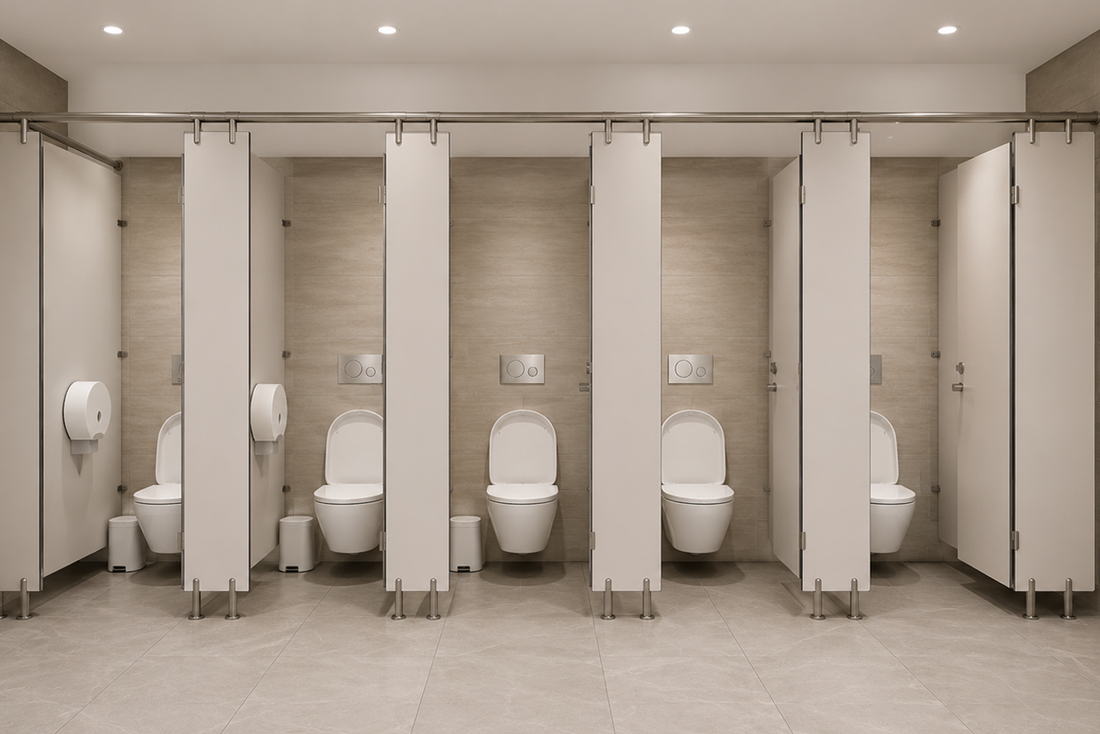
How Dirty Are Public Toilets Really?
Public restrooms are part of everyday life. Whether you're traveling, commuting to work, shopping, attending events, or managing a busy day with children, there will eventually be a time when you need to use a public toilet.
Yet for many people, stepping into a public restroom comes with hesitation.
Concerns about public toilet germs, cleanliness, odors, and shared surfaces make many people hesitant to use public restrooms, especially women, parents, travelers, pregnant women, commuters, and hygiene-conscious individuals.
Many hygiene concerns also come from misconceptions, which is why understanding common public toilet myths can help separate fear from facts.
While most public bathrooms are cleaned regularly, high-traffic use means germs can quickly return to frequently touched surfaces. Understanding where germs are commonly found and how to reduce exposure can help you use public restrooms more confidently.
|
Quick Answer:
How Dirty Are Public Toilets Really? Public toilets can contain bacteria and germs because they are used by hundreds of people daily. But they are not always as dangerous as many people assume. In most public restrooms, high-touch surfaces such as door handles, flush buttons, faucet handles, and stall locks often carry more germs than the toilet seat itself. Proper handwashing, avoiding unnecessary surface contact, and using sanitary toilet seat covers can help reduce exposure and improve hygiene confidence. |
Table of Contents
- Why Are Public Toilets So Dirty?
- Where Are Germs Most Common in Public Toilets?
- What Germs Are Found in Public Toilets?
- Are Some Public Toilets Cleaner Than Others?
- Are Public Toilets Hygienic or Dangerous?
- Public Toilet Hygiene Myths vs Facts
- How to Avoid Germs in Public Toilets: Practical Hygiene Tips?
- Public Restroom Hygiene Tips for Travelers
- Why Public Restroom Cleanliness Affects Comfort and Confidence?
- Key Takeaways
- Final Thoughts
- Frequently Asked Questions (FAQs)
Why Are Public Toilets So Dirty?

Public toilets are high-traffic environments.
In busy locations such as airports, shopping malls, train stations, gas stations, restaurants, schools, and office buildings, hundreds or even thousands of people may use the same restroom each day.
Every visitor brings bacteria from their hands, shoes, clothing, and personal belongings. Even with routine cleaning schedules, germs can quickly return to frequently touched surfaces.
The concern isn't just the toilet itself. In fact, many of the germiest areas in public restrooms are places people touch without thinking.
Common high-contact surfaces include:
- Door handles
- Flush buttons and levers
- Faucet handles
- Soap dispensers
- Stall locks
- Countertops
- Paper towel dispensers
- Baby changing stations
The more people touch these surfaces, the more opportunities germs have to spread.
Where Are Germs Most Common in Public Toilets?
When people think about public toilet germs, the toilet seat usually gets most of the attention. Surprisingly, toilet seats are often not the dirtiest part of a restroom.

Some hygiene studies have found that high-touch restroom surfaces such as door handles, faucet handles, and sink fixtures may contain more bacteria than toilet seats because they are touched repeatedly throughout the day. This is one reason proper handwashing remains more important than many people realize.
If you're curious about which bacteria and viruses are commonly discussed in public restrooms, you can also explore the most common germs found in public toilets.
Door Handles
Door handles are among the most frequently touched objects in any restroom. Many people touch them after using the toilet and before washing their hands.
This makes them a common transfer point for bacteria and viruses.
Flush Handles and Buttons
Every visitor interacts with the flushing mechanism, creating another high-contact surface where germs can accumulate.
Sink Areas
Many people wash their hands, but not everyone does so effectively. Faucet handles can become contaminated when touched with unwashed hands.
Floors
Restroom floors can harbor bacteria tracked in from shoes, spills, and general foot traffic.
While most people don't touch restroom floors directly, bags, backpacks, and personal items placed on the floor can pick up contaminants.
Airborne Particles
Flushing a toilet can create tiny droplets that disperse into the surrounding air. This phenomenon is often called a "toilet plume."
Studies have shown that flushing can spread microscopic droplets into the surrounding air, especially in public restrooms without lids. While this does not automatically mean illness, it reinforces the importance of proper restroom hygiene.
These droplets may settle on nearby surfaces, especially in restrooms without toilet lids.
Are Public Toilets Dirtier Than Your Phone?
Surprisingly, many everyday objects people touch regularly, including phones, handbags, keyboards, and shopping carts, can also carry significant amounts of bacteria. The bigger hygiene concern is often hand-to-face contact rather than the toilet seat itself. This is one reason proper handwashing remains one of the best ways to reduce exposure to germs in public places.
What Germs Are Found in Public Toilets?
Public restrooms can contain different types of bacteria and viruses, although this does not mean every surface is dangerous.
Some commonly discussed restroom germs include:
- E. coli: This bacterium can spread through poor hand hygiene and contaminated surfaces.
- Staphylococcus (Staph): Staph bacteria may be transferred through skin contact and high-touch surfaces.
- Norovirus: This highly contagious stomach virus can spread in shared environments when hygiene practices are poor.
- Cold and Flu Viruses: Viruses that spread through respiratory droplets or contaminated hands may also be present in busy public spaces.
For most healthy individuals, proper handwashing significantly reduces risk.
Are Some Public Toilets Cleaner Than Others?
Not all public restrooms have the same cleanliness standards.
In general, restroom cleanliness often depends on cleaning frequency, traffic levels, and maintenance practices.
People often find cleaner restrooms in:
- Hotels
- Airports
- Premium shopping malls
- Restaurants with strong hygiene standards
Public toilets in high-traffic transit areas, roadside stops, and older facilities may sometimes feel less hygienic due to heavy use.
Regardless of location, practicing good public restroom hygiene remains important.
Are Public Toilets Hygienic or Dangerous?
|
Short Answer
For most healthy people, public toilets are generally safe to use when basic hygiene practices are followed. |
The reality is more nuanced.
Most healthy individuals have immune systems that protect them from routine exposure to everyday bacteria. Simply sitting on a toilet seat does not automatically lead to illness.
Human skin acts as an effective barrier against many common germs. Unless there are cuts, open wounds, or direct contact with contaminated bodily fluids, the risk of infection from a toilet seat alone is generally lower than many people assume.
However, poor hand hygiene remains a significant concern.
The greatest risk often comes from touching contaminated surfaces and then touching your face, mouth, eyes, phone, or food before washing your hands properly.
Public Toilet Hygiene Myths vs Facts
| Myth | Reality |
|---|---|
| Toilet seats are the dirtiest part of a public restroom | Door handles, faucet handles, and flush buttons often carry more germs because they are touched repeatedly throughout the day. |
| Sitting on a public toilet always causes an infection | For most healthy people, the risk is generally low because intact skin acts as a protective barrier. |
| Hovering over the toilet seat is more hygienic | Hovering may increase splashing and can leave the seat less clean for the next person. |
| Hand sanitizer replaces handwashing | Soap and water remain the most effective way to remove germs after using a public restroom. |
| Public toilets are always unsafe | Most public toilets are generally safe when basic hygiene practices are followed. |
Wondering whether toilet seats are actually the biggest hygiene concern? Read more about whether public toilet seats are really dirty.
Why Do Some People Avoid Public Toilets?
For some people, discomfort goes beyond hygiene concerns and becomes genuine public restroom anxiety, especially when cleanliness standards feel uncertain.
Several groups tend to be especially cautious:
- Women: Women often spend more time in restroom stalls and may have greater concerns about cleanliness and sanitation.
- Parents: Parents frequently worry about exposing children to germs, especially younger children who tend to touch multiple surfaces.
- Pregnant Women: Pregnancy often increases awareness of hygiene and health risks, leading many women to seek cleaner restroom experiences.
- Travelers: Airports, train stations, and roadside rest stops can be unfamiliar environments where cleanliness standards vary.
- Germ-Conscious Individuals: People who are highly focused on hygiene may experience discomfort or anxiety when using shared facilities.
For these individuals, having practical hygiene solutions can make public restroom visits feel more manageable and less stressful.
Are Toilet Seat Covers Hygienic?
|
Short Answer
Yes, sanitary toilet seat covers can help reduce direct skin contact with shared toilet seats and improve comfort in public restrooms. |
Disposable toilet seat covers create a physical barrier between your skin and the toilet seat surface. While they cannot eliminate every germ in a public restroom, they can help reduce direct contact and improve confidence when using unfamiliar facilities.

If you want a deeper breakdown, here's a closer look at whether toilet seat covers actually work in public restrooms.
Some people prefer disposable or flushable toilet seat covers for added convenience and peace of mind in shared restrooms.
Many travelers, parents, women, commuters, and hygiene-conscious individuals carry disposable toilet seat covers in their personal restroom hygiene kits.
Benefits of Sanitary Toilet Seat Covers
- Create a protective barrier
- Reduce direct skin-to-surface contact
- Increase confidence in public restrooms
- Help users feel more comfortable
- Convenient for travel and commuting
- Easy to carry in a purse, backpack, or pocket
For many people, psychological comfort is just as valuable as the physical barrier.
Feeling protected often reduces restroom anxiety and makes it easier to use necessary facilities while away from home.
Is Hovering Over Public Toilets More Hygienic?
|
Short Answer
Not necessarily. Hovering over a public toilet seat may feel more hygienic, but it does not always reduce germ exposure. In some cases, hovering can increase splashing and make restroom surfaces messier for the next user. |
Many people, especially women and germ-conscious individuals, avoid sitting directly on public toilet seats because of hygiene concerns. However, experts generally suggest that intact skin acts as a natural barrier against many common germs.
Instead of hovering, using a sanitary toilet seat cover, wiping visible moisture when necessary, and practicing proper hand hygiene are often more practical ways to feel comfortable and reduce contact concerns in public restrooms.
Toilet Paper vs Toilet Seat Covers: Which Is Better?
Some people place toilet paper on toilet seats before sitting down. While this may seem convenient, toilet paper often shifts, tears, absorbs moisture, or fails to stay in place.
Disposable toilet seat covers are specifically designed to create a cleaner barrier between the toilet seat and the user. They generally provide better coverage, remain more stable during use, and are easier to use in high-traffic public restrooms.
For people concerned about public restroom hygiene, disposable seat covers are often the more practical option.
How to Avoid Germs in Public Toilets: Practical Hygiene Tips?
Completely avoiding germs in public environments is impossible. However, several simple steps can significantly reduce exposure.
These small habits can make a significant difference in maintaining better public restroom hygiene, especially in high-traffic environments.
Wash Your Hands Thoroughly
Proper handwashing remains the single most effective hygiene habit.
Wash your hands with soap and water for at least 20 seconds, paying attention to fingertips, thumbs, and between fingers.
- Use a Toilet Seat Cover: Using a sanitary toilet seat cover can help create a cleaner seating surface and improve peace of mind. Many travelers now carry disposable toilet seat covers as part of their personal hygiene kit.
- Avoid Touching Your Face: After touching restroom surfaces, avoid touching your eyes, nose, or mouth until your hands have been cleaned.
- Use Paper Towels When Available: Paper towels can be used to turn off faucets or open restroom doors after washing your hands. This can help reduce contact with high-touch surfaces.
- Keep Personal Items Off the Floor: Avoid placing purses, bags, jackets, or backpacks directly on restroom floors. Use hooks, shelves, or hang items when possible.
- Carry Hand Sanitizer: Hand sanitizer is useful when soap and water are unavailable or as an extra layer of protection after leaving the restroom.
Public Restroom Hygiene Tips for Travelers
Travel often involves frequent restroom visits in airports, train stations, roadside facilities, and tourist attractions.
Creating a small travel hygiene kit can make a noticeable difference.
Consider carrying:
- Disposable toilet seat covers
- Hand sanitizer
- Disinfecting wipes
- Facial tissues
- Travel-size soap
- Extra paper products
These items take up very little space but can help you feel more prepared wherever your journey takes you.
Why Public Restroom Cleanliness Affects Comfort and Confidence?
An often-overlooked aspect of public restroom hygiene is how cleanliness affects confidence and comfort.
Many people experience stress when they perceive a restroom as dirty. This can lead to delayed bathroom use, discomfort during travel, and increased anxiety in public settings.
When people feel protected, they are generally more comfortable using public facilities.
This is one reason why products designed for personal hygiene, such as sanitary toilet seat covers, have become increasingly popular among travelers, commuters, parents, and health-conscious consumers.
They help bridge the gap between actual cleanliness and perceived cleanliness, providing reassurance in situations where users have little control over the environment.
Key Takeaways
- Public toilets can contain germs, but they are not always as dangerous as people assume.
- High-touch surfaces such as door handles, faucets, and flush buttons often carry more bacteria than toilet seats.
- Proper handwashing is the best defense against restroom germs.
- Toilet seat covers can help reduce direct contact and improve comfort.
- Travelers, women, parents, and commuters may benefit from carrying personal hygiene essentials.
Final Thoughts
So, how dirty are public toilets really?
Public restrooms do contain germs, but they are not necessarily the health hazards many people imagine. The biggest sources of contamination are often high-touch surfaces such as door handles, flush buttons, and faucets rather than the toilet seat itself.
Good public restroom hygiene habits can significantly reduce your exposure to germs. Washing your hands properly, avoiding unnecessary surface contact, carrying hand sanitizer, and using sanitary toilet seat covers are all practical ways to stay protected.
For women, parents, travelers, pregnant women, commuters, and anyone concerned about cleanliness, a little preparation can make public restroom visits much more comfortable.
The goal isn't to fear public toilets, it's to use them confidently. Understanding where germs are commonly found, practicing good hygiene habits, and carrying practical essentials such as hand sanitizer or sanitary toilet seat covers can make public restroom visits feel cleaner, safer, and far less stressful.


