
| Quick Answer
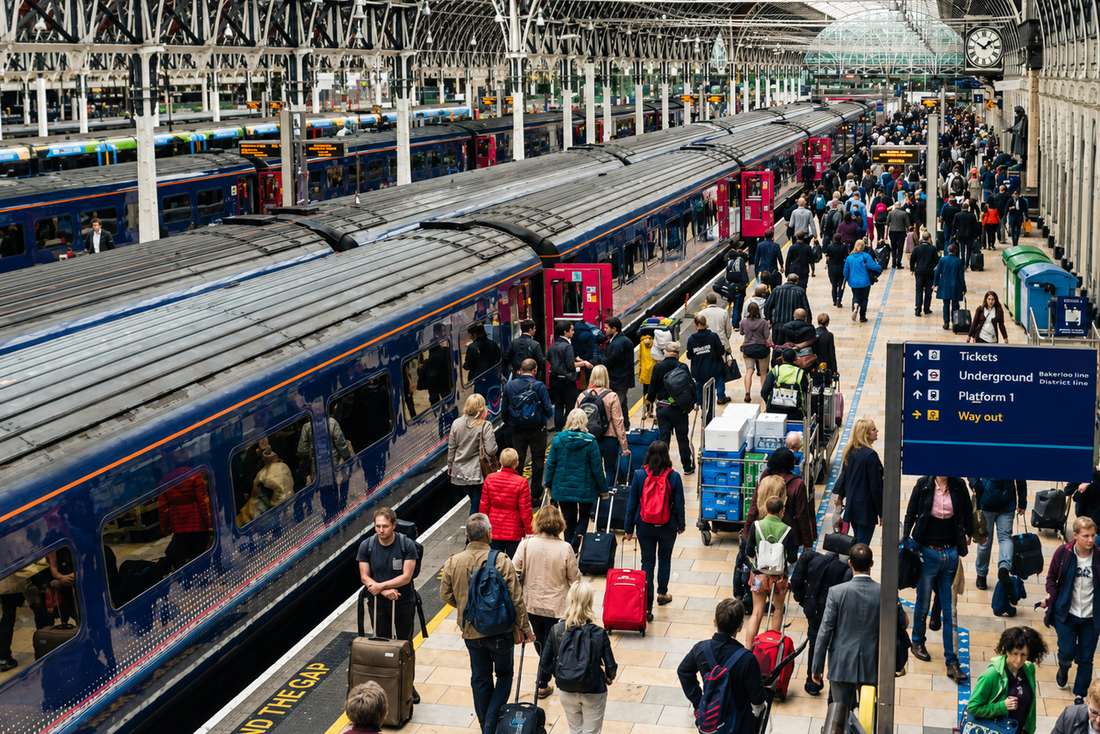
High-traffic railway stations serve thousands of passengers every day, making restroom hygiene an ongoing operational challenge. Because restroom demand fluctuates with passenger movement, maintaining consistent hygiene requires more than routine cleaning alone. Flushable toilet seat covers provide passengers with an additional hygiene option while supporting a broader restroom hygiene strategy in busy transportation facilities. |
Table Of Contents
- Millions of Passengers, One Shared Challenge
- Why Railway Station Restrooms Face Unique Hygiene Challenges?
- Why Railway Restroom Hygiene Requires a Layered Approach?
- Why Flushable Toilet Seat Covers Are a Practical Solution for Railway Stations?
- Benefits for Travelers Using Railway Station Restrooms
- How Railway Operators Can Build and Sustain Better Restroom Hygiene?
- Why LooREADY is a Trusted Choice for Railway Restroom Hygiene?
- Conclusion
- Sources
Millions of Passengers, One Shared Challenge
Every day, railway stations welcome commuters, tourists, business travelers, and families. From local transit hubs to major intercity terminals, millions of passenger journeys take place every day, placing continuous demand on station infrastructure, including public restrooms. In countries with extensive rail networks, major stations can serve hundreds of thousands of passengers daily, making restroom hygiene a critical part of the overall travel experience.
Unlike many commercial buildings, railway stations rarely experience a predictable pattern of restroom usage. Passenger demand rises and falls with train arrivals, platform changes, delayed departures, and seasonal travel. A restroom located near a busy platform may experience a sudden surge of users within minutes of a long-distance train arriving, while another may remain relatively quiet until the next departure. These fluctuating patterns make restroom planning far more dynamic than in many other public facilities.
These operational realities mean railway restroom hygiene cannot be managed in the same way as offices, hotels, or retail facilities. It requires solutions that support both passenger expectations and day-to-day station operations.
Clean restrooms are maintained by operators. Trusted restrooms are experienced by passengers. Effective restroom hygiene requires both.
Restroom Hygiene by the Numbers
- According to the International Union of Railways, railways carry billions of passenger journeys each year worldwide, placing continuous pressure on station facilities, including public restrooms.[1]
- According to Amtrak, millions of passengers travel on its rail network annually, while major metropolitan transit systems collectively serve millions more every day, creating sustained demand for clean and well-equipped station restrooms. [2]
- Passenger expectations for public restrooms are high. According to the 2025 Bradley Healthy Handwashing Survey™, 84% of Americans say an unclean or poorly stocked restroom damages a business's image, while 75% say they would think twice before returning after a poor restroom experience. For high-traffic railway stations, restroom hygiene is therefore more than an operational concern; it directly influences how passengers perceive the facility.[3]
- A 2025 Tork survey found that 25% of U.S. respondents said train and bus stations rarely or never meet their restroom expectations. As passenger expectations continue to rise, transportation facilities have an opportunity to improve the travel experience by investing in cleaner, better-equipped restrooms.[4]
Together, these findings demonstrate that restroom hygiene influences both passenger perception and operational performance, making it an important consideration for high-traffic railway stations.
Why Railway Station Restrooms Face Unique Hygiene Challenges?

Railway stations are unlike most public facilities because restroom demand is driven by passenger movement rather than predictable occupancy. Instead of serving the same group of people throughout the day, station restrooms must accommodate a constantly changing mix of commuters, regional travelers, long-distance passengers, tourists, and families.
Passenger numbers can change dramatically within minutes as trains arrive, depart, or experience delays. This creates uneven restroom usage patterns that make railway environments fundamentally different from offices, hotels, shopping centers, or educational campuses.
Passenger Flow Changes Throughout the Day
Unlike commercial buildings with relatively stable visitor numbers, railway stations experience continuous fluctuations in passenger traffic.
Morning commuter services create intense demand during rush hours, while afternoon regional trains, overnight departures, and weekend travel generate entirely different usage patterns. During festivals, public holidays, and school vacation periods, passenger numbers can increase significantly, placing additional pressure on station facilities.
Because restroom demand follows train movements rather than fixed business hours, some facilities may remain relatively quiet before experiencing a sudden surge of passengers within a short period.
Waiting Areas and Platform Locations Influence Restroom Usage
Not every restroom within a railway station experiences the same level of demand.
Facilities located near main entrances, waiting halls, food courts, or busy departure platforms often receive substantially more visitors than those in quieter areas of the station. Passengers waiting for delayed trains or extended connections are also more likely to use nearby restrooms, increasing demand during operational disruptions.
Understanding these movement patterns is an important part of planning restroom operations in high-traffic railway environments.
Railway Stations Serve Diverse Passenger Needs
Railway stations welcome one of the widest ranges of users found in any public facility.
Daily commuters often require quick access to restrooms before boarding their train, while long-distance travelers may use station facilities before and after extended journeys. Families traveling with children, elderly passengers, international tourists, and people with accessibility needs all interact with the same restroom infrastructure but may have very different expectations regarding comfort, cleanliness, and convenience.
Designing restroom facilities for such a diverse passenger base requires careful planning that goes beyond simply accommodating high visitor numbers.
Junction Stations Experience Different Operational Demands
Large terminal stations and railway junctions often face different challenges than smaller commuter stations.
Passengers transferring between services may spend extended periods inside the station, increasing demand for waiting areas, food outlets, and nearby restroom facilities. Delayed departures, missed connections, and long-distance travel can further increase restroom usage, particularly during peak travel periods.
These operating conditions make railway station restrooms fundamentally different from those in offices, hotels, shopping centers, or retail environments.
Why Railway Restroom Hygiene Requires a Layered Approach?
Maintaining restroom hygiene in a high-traffic railway station isn't about relying on a single product or increasing cleaning frequency alone. Professional facility management uses a layered approach, where multiple hygiene measures work together to deliver a consistently clean and comfortable passenger experience.
Each layer addresses a different aspect of restroom hygiene. Routine cleaning removes dirt and replenishes essential supplies. Regular disinfection targets frequently touched surfaces such as door handles, flush controls, faucets, and countertops. Hand hygiene stations encourage good personal hygiene practices, while scheduled inspections help ensure facilities remain clean and fully stocked throughout the day.
Among these hygiene measures, flushable toilet seat covers play a unique role by giving passengers the ability to make their own hygiene decisions between scheduled servicing intervals.
Rather than viewing restroom hygiene as a single task completed by cleaning staff, successful railway operators treat it as a continuous process that combines facility maintenance, passenger awareness, and thoughtfully selected hygiene products. This layered approach helps create cleaner restrooms, supports operational efficiency, and builds greater passenger confidence throughout the day.
The Five Layers of Railway Restroom Hygiene
Rather than relying on a single solution, successful railway operators combine several complementary hygiene measures. Each layer addresses a different aspect of the passenger experience while supporting efficient restroom operations.
| Hygiene Layer | Purpose |
|---|---|
| Routine Cleaning | Removes dirt and replenishes restroom supplies throughout the day. |
| Surface Disinfection | Helps reduce contamination on frequently touched restroom surfaces. |
| Hand Hygiene Facilities | Encourages proper handwashing with soap and hand-drying facilities. |
| Flushable Toilet Seat Covers | Provides passengers with an additional hygiene option between scheduled cleaning cycles. |
| Regular Inspections | Ensures dispensers remain stocked and facilities continue meeting hygiene standards. |
No single layer delivers consistent restroom hygiene on its own. Together, these five measures create a more resilient hygiene strategy for high-traffic railway environments.
At LooREADY, we recommend a layered approach to restroom hygiene. Rather than relying on a single measure, effective hygiene programs combine scheduled cleaning, routine inspections, touchpoint disinfection, hand hygiene facilities, and passenger-accessible hygiene solutions to create a more consistent experience for passengers.
Why Flushable Toilet Seat Covers Are a Practical Solution for Railway Stations?

Public restrooms are shared spaces, and every passenger has a different level of comfort when using them. Some travelers are happy to use the facilities as they are, while others prefer an additional hygiene barrier before sitting on a toilet seat.
Flushable toilet seat covers give passengers that choice. Rather than making assumptions about the condition of the toilet seat, travelers can decide for themselves whether they want an extra layer between the seat and their clothing. This makes the product a practical hygiene option without changing how the restroom is normally used.
The value of a flushable toilet seat cover isn't that every passenger will use one. Its value lies in giving travelers the freedom to make their own hygiene decisions based on their personal comfort level. Visible hygiene options often increase confidence in the restroom itself, even among passengers who ultimately choose not to use a seat cover.
A Simple Hygiene Option for Shared Restrooms
Flushable toilet seat covers are designed to create a temporary paper barrier between the passenger and the toilet seat during use.
For many travelers, especially those using unfamiliar public restrooms, this provides additional peace of mind. The cover is used once and then disposed of according to the manufacturer's instructions, allowing each passenger to make their own hygiene decision at the point of use.
Unlike improvised alternatives such as placing toilet paper on the seat, purpose-designed seat covers are shaped to fit the toilet properly and can usually be placed in just a few seconds.
Quick and Easy to Use During Travel
Railway passengers are often traveling on tight schedules. Whether catching a commuter train, changing platforms, or boarding a long-distance service, they rarely have time for complicated hygiene routines.
Flushable toilet seat covers are designed for convenience. A passenger simply removes one from the dispenser, places it on the seat, uses the restroom as normal, and disposes of it according to the product instructions. The entire process takes only a few seconds, making it practical even during busy journeys.
Because the covers are available inside the restroom, passengers don't need to carry their own hygiene products or create makeshift barriers using toilet paper.
Suitable for Different Types of Travelers
Every passenger uses public restrooms differently.
Some people rarely think about toilet seat hygiene, while others, including parents traveling with young children, elderly passengers, frequent business travelers, and international tourists, may appreciate having the option to use a flushable toilet seat cover.
Providing that choice allows the restroom to accommodate different comfort levels without adding complexity to the passenger experience.
Benefits for Travelers Using Railway Station Restrooms

Using a public restroom is often an unavoidable part of rail travel, especially during long journeys, overnight services, or extended waiting times between train connections. While every passenger has different hygiene preferences, most people share one expectation: they want to feel comfortable using the facilities available to them.
Visible hygiene measures can play an important role in creating that sense of comfort. When travelers see that a restroom is thoughtfully equipped and well organized, they are more likely to feel confident using it, even before they interact with any of the facilities.
One of the biggest challenges with public restroom hygiene is uncertainty rather than visible cleanliness. A restroom may be clean, but passengers often have no way of knowing when it was last used or whether the toilet seat has already been touched by other travelers. Visible hygiene options help reduce that uncertainty by giving passengers greater control over how they choose to use the facility.
Passenger hygiene extends beyond station facilities. If you're also exploring onboard restroom hygiene for premium rail travel, read our guide on Improving Passenger Hygiene Experience in First-Class Train Coaches.
Confidence Matters as Much as Cleanliness
Passengers often form an opinion about a restroom within seconds of entering it.
Simple details such as neatly stocked dispensers, clean sinks, available soap, and clearly maintained facilities all contribute to the perception that the restroom is cared for. When hygiene products such as flushable toilet seat covers are readily available, they provide passengers with an additional sense of reassurance by giving them the option to make their own hygiene decision.
That feeling of confidence can make using a public restroom significantly less stressful, particularly in unfamiliar environments.
Different Travelers Have Different Comfort Levels
Not every passenger approaches public restrooms in the same way.
Daily commuters may use station facilities quickly before boarding their train, while families traveling with young children often spend more time preparing for the next stage of their journey. Elderly passengers and travelers with medical conditions may also rely more heavily on accessible and comfortable restroom facilities during longer trips.
Providing visible hygiene options helps accommodate these different comfort levels without requiring passengers to carry additional hygiene products of their own.
Long-Distance Travel Creates Different Expectations
Passengers traveling on overnight trains or long-distance routes often spend many hours away from home before reaching their destination.
Unlike short local journeys, extended travel increases the likelihood that passengers will use station restrooms before departure, during transfers, or after arrival. During these longer journeys, people often become more conscious of personal hygiene and appreciate facilities that feel clean, organized, and thoughtfully equipped.
Visible hygiene measures help support that expectation and contribute to a more comfortable travel experience.
A Better Alternative to Improvised Solutions
Many travelers who feel uncertain about using public toilet seats improvise by placing toilet paper on the seat before sitting down. While this is a common habit, it can be inconvenient, wasteful, and inconsistent.
Purpose-designed flushable toilet seat covers offer a simpler and more practical alternative. They allow passengers to prepare the seat quickly and continue their journey with greater confidence, without relying on makeshift solutions.
How Railway Operators Can Build and Sustain Better Restroom Hygiene?
Maintaining restroom hygiene in a busy railway station is about much more than increasing cleaning frequency. Passenger numbers rise and fall throughout the day, train arrivals and departures create unpredictable restroom demand, and facilities must remain ready to serve thousands of travelers without disrupting station operations.
For this reason, successful railway operators treat restroom hygiene as a coordinated system rather than a single maintenance task.
Railway operators cannot realistically clean restroom facilities after every individual use. Instead, effective restroom management combines scheduled cleaning, routine inspections, hand hygiene facilities, touchpoint disinfection, and passenger-accessible hygiene products into one coordinated strategy.
Build a Layered Hygiene Strategy
Rather than relying on one hygiene measure, high-performing public facilities combine multiple practices that work together throughout the day.
An effective railway restroom hygiene strategy typically includes:
- Scheduled cleaning to maintain overall restroom cleanliness.
- Regular disinfection of frequently touched surfaces such as door handles, flush controls, faucets, and countertops.
- Well-stocked hand hygiene facilities that encourage proper handwashing.
- Flushable toilet seat covers that allow passengers to make their own hygiene decisions at the point of use.
- Routine inspections to ensure supplies remain available as passenger demand changes.
Each layer performs a different role, creating a more reliable hygiene experience for passengers while supporting efficient facility operations.
Plan Restroom Operations Around Passenger Movement
One of the biggest differences between railway stations and many other public facilities is that restroom demand follows passenger movement rather than fixed occupancy levels.
Train arrivals, platform changes, delayed departures, holiday travel, and special events can all increase restroom usage within minutes.
Monitoring passenger flow helps operators schedule inspections, replenish supplies more effectively, and maintain a consistent restroom experience during periods of peak demand.
Standardize Hygiene Across Multiple Stations
Many railway authorities manage a network of terminal stations, regional junctions, and commuter stations with very different passenger volumes.
For organizations managing multiple stations or large transportation facilities, selecting the right bulk restroom hygiene supplies is equally important. Learn more in our guide to Bulk Toilet Seat Covers for Rail, Airport & Commercial Facilities.
Although each station has unique operational requirements, maintaining consistent restroom hygiene standards across the network creates a more reliable passenger experience.
Using standardized dispensers, consistent hygiene products, and common maintenance procedures can also simplify procurement, inventory management, and staff training.
Select Commercial Hygiene Partners That Support Long-Term Operations
Delivering consistent restroom hygiene across a railway network depends not only on day-to-day maintenance but also on the reliability of the products and suppliers that support those operations.
When evaluating commercial restroom hygiene solutions, railway operators should look beyond individual product features and consider whether a supplier can support long-term operational requirements across multiple stations and varying passenger volumes.
An effective commercial hygiene partner should provide products that integrate easily into existing restroom systems, maintain consistent product quality, and deliver dependable supply throughout periods of changing demand.
Choosing the right partner helps operators maintain consistent hygiene standards while reducing procurement challenges and supporting a better passenger experience over time.
Prioritize Dispenser Compatibility
A high-quality product can still create operational challenges if it is incompatible with existing restroom dispensers.
Before selecting a supplier, operators should confirm that flushable toilet seat covers are designed to work efficiently with commercial dispensing systems. Reliable dispensing helps reduce product waste, minimizes dispenser jams, and ensures passengers can easily access seat covers whenever they need them.
This is about the entire restroom system rather than the product alone.
Evaluate Supply Reliability
Passenger demand at railway stations can change rapidly during peak commuting hours, festival seasons, school holidays, and unexpected service disruptions.
A dependable supplier should be able to provide consistent bulk deliveries throughout the year, helping operators avoid stock shortages during periods of increased demand.
Long-term supply reliability is often just as important as product quality when managing restroom hygiene across multiple stations.
Consider Long-Term Value Instead of Initial Cost
Choosing the lowest-priced product does not always produce the best long-term outcome.
Procurement decisions should consider factors such as product consistency, dispenser performance, ease of replenishment, supplier responsiveness, and overall operational efficiency rather than purchase price alone.
A solution that performs reliably every day often delivers greater value than one with a lower upfront cost but inconsistent performance.
Include Sustainability in Procurement Decisions
Many railway authorities have established environmental objectives that extend to everyday operational supplies.
When evaluating restroom hygiene products, operators may wish to consider responsibly sourced materials, efficient packaging, and products that align with their broader sustainability initiatives.
Balancing operational performance with environmental responsibility helps support both passenger expectations and long-term organizational goals.
Choose a Supplier That Can Grow With Your Network
Railway networks often expand, renovate stations, or introduce standardized facility management practices across multiple locations.
Working with a supplier that can support future growth, maintain consistent product availability, and provide reliable commercial support helps create a more resilient long-term procurement strategy.
This becomes particularly valuable when implementing standardized restroom hygiene solutions across large railway networks.
Why LooREADY is a Trusted Choice for Railway Restroom Hygiene?

Maintaining clean, welcoming restrooms in high-traffic railway stations requires dependable products and a consistent supply. LooREADY understands the challenges faced by facility managers responsible for serving thousands of passengers every day.
Our flushable toilet seat covers are designed for commercial environments where reliability, convenience, and hygiene matter most. Compatible with commercial dispensers and available for bulk supply, they help railway operators enhance user comfort while supporting existing cleaning and maintenance programs.
Rather than replacing routine sanitation practices, LooREADY's restroom hygiene solutions complement them, making it easier for railway stations to deliver a cleaner, more comfortable experience for every traveler.
Whether managing a single station or an extensive railway network, choosing the right hygiene products is an important step toward creating public restrooms that passengers can use with greater confidence.
Conclusion
Railway station restrooms are among the busiest public facilities, serving thousands of passengers every day. While regular cleaning remains the foundation of restroom hygiene, maintaining a clean and comfortable experience in high-traffic environments requires additional solutions that support both passengers and facility managers.
Flushable toilet seat covers provide a practical way to enhance public restroom hygiene by giving travelers an added layer of confidence while complementing existing cleaning programs. Easy to dispense, convenient to replenish, and suitable for commercial environments, they help railway operators meet growing expectations for cleaner, more welcoming restroom facilities.
As railway networks continue investing in passenger experience, restroom hygiene is becoming a visible indicator of service quality rather than simply a maintenance responsibility. Facilities that combine operational excellence with thoughtful passenger-focused hygiene solutions are better positioned to meet the expectations of today's travelers.
LooREADY supports this commitment with commercial restroom hygiene solutions designed for high-traffic public facilities. From reliable flushable toilet seat covers to dependable bulk supply, our products help railway operators maintain cleaner, better-equipped restrooms that passengers can use with greater confidence.


