

Waterless toilets are becoming an increasingly important part of sustainable sanitation as individuals, businesses, and governments look for ways to conserve water and reduce reliance on conventional wastewater infrastructure. Unlike traditional flush toilets, they operate without using water for flushing and instead manage human waste through alternative treatment methods such as composting, incineration, dehydration, or urine diversion.
The need for water-efficient sanitation is becoming increasingly important because toilets account for nearly 30% of indoor household water use in many homes.[1] Reducing water used for flushing can make a meaningful contribution to overall water conservation, particularly in regions facing growing water stress.
These systems are widely used in off-grid homes, cabins, public parks, campsites, eco-resorts, construction sites, boats, RVs, and emergency facilities where conventional plumbing is unavailable or water conservation is a priority. Modern waterless toilets have also become more efficient, hygienic, and easier to maintain, making them a practical option for both residential and commercial applications.
At LooREADY, we believe sustainable sanitation and restroom hygiene go hand in hand. This guide explains how waterless toilets work, the different types available, their benefits and limitations, maintenance requirements, and best practices for maintaining hygiene in shared restroom facilities.
Table of Contents
- What Is a Waterless Toilet?
- Why Are Waterless Toilets Becoming More Popular?
- How Does a Waterless Toilet Work?
- Types of Waterless Toilets
- Benefits and Limitations of Waterless Toilets
- Waterless Toilets vs Traditional Flush Toilets
- Where Are Waterless Toilets Commonly Used?
- Who Should Consider a Waterless Toilet?
- How to Choose the Right Waterless Toilet?
- Maintenance Requirements at a Glance
- Keeping Shared Waterless Toilets Hygienic
- Final Thoughts
- Sources
| Quick Answer:
What Is a Waterless Toilet? A waterless toilet is a toilet that operates without using water for flushing. Instead, it safely manages human waste through methods such as composting, incineration, dehydration, evaporation, or urine diversion, depending on the system. Waterless toilets are commonly used in off-grid homes, campsites, public parks, construction sites, boats, RVs, and other locations where water conservation or limited plumbing makes traditional flush toilets impractical. |
What is a Waterless Toilet?
Waterless toilets are available in several designs, each suited to different environments. Some convert waste into compost, while others dry, burn, or separate waste to reduce water use and simplify sanitation.
Because they do not require conventional plumbing, they are widely used in off-grid homes, cabins, public parks, campsites, construction sites, boats, RVs, and other locations where water conservation or limited infrastructure makes traditional toilets impractical.
Did You Know?
Conventional toilets account for nearly 30% of indoor household water use, making them one of the largest sources of residential water consumption. Depending on the model, a single flush toilet may use between 4.8 and 20 litres of water per flush, whereas waterless toilets eliminate flushing water entirely.[2]
Why Are Waterless Toilets Becoming More Popular?
Growing concerns about water scarcity, climate change, and sustainable infrastructure have increased interest in waterless toilets around the world. Unlike traditional flush toilets, they help reduce freshwater consumption while providing reliable sanitation in locations where plumbing or sewer connections are limited. Improvements in waste treatment technology have also made modern waterless toilets more practical, hygienic, and easier to maintain than earlier designs.
Modern waterless toilets are designed to operate safely and hygienically when installed correctly and maintained according to the manufacturer's recommendations.
Waterless toilets are becoming more popular for several key reasons:
Water Conservation
Waterless toilets eliminate the need for flushing water, helping households, businesses, and public facilities reduce freshwater consumption. In regions facing drought or water shortages, conserving every litre of water has become increasingly important.
Works Without Conventional Plumbing
Because they do not rely on sewer connections or extensive plumbing infrastructure, waterless toilets are ideal for off-grid homes, cabins, public parks, construction sites, campsites, boats, RVs, and other remote locations.
Environmental sustainability
Many waterless toilet systems reduce wastewater generation and promote more sustainable waste management through composting, dehydration, incineration, or urine diversion. This helps reduce pressure on water resources and wastewater treatment infrastructure.
Lower infrastructure costs
Installing traditional plumbing and sewer systems can be expensive, especially in remote or temporary locations. Waterless toilets often reduce installation costs by eliminating the need for extensive water supply and drainage infrastructure.
Growing demand for eco-friendly solutions
Governments, businesses, tourism operators, and homeowners are increasingly adopting sustainable sanitation solutions as part of broader environmental initiatives. Waterless toilets support green building projects, eco-tourism, off-grid living, and water conservation efforts.
| LooREADY Expert Insight
Water conservation is only one part of sustainable sanitation. In shared restroom environments, user hygiene, cleaning protocols, and proper surface protection remain equally important for creating a safe, comfortable, and hygienic restroom experience. |
How Does a Waterless Toilet Work?
Waterless toilets work by collecting and treating human waste without using water for flushing. Instead of transporting waste through a sewer or septic system, they rely on alternative treatment methods such as composting, incineration, dehydration, or urine diversion. Although the treatment process varies depending on the toilet type, most waterless toilets follow the same basic workflow from waste collection to final disposal.
Step 1: Waste Is Collected

Waste is collected in a sealed chamber instead of being flushed into a sewer or septic system. Depending on the design, liquid and solid waste may remain together or be separated immediately.
Step 2: Waste Is Treated
Waste is then treated through composting, incineration, dehydration, evaporation, or urine diversion, depending on the toilet type.
Step 3: Ventilation Supports the Treatment Process
Ventilation removes excess moisture, controls odors, and supports composting or drying. Some systems use fans or filters to improve airflow.
Step 4: Treated Waste Is Safely Removed
After treatment, only compost, sterile ash, or dried waste remains. This material is removed periodically and disposed of according to the manufacturer's instructions and local regulations.
How Different Waterless Toilets Process Waste
Although all waterless toilets eliminate the need for flushing water, the way they treat and manage waste varies depending on the technology used. The following table compares the most common types of waterless toilets, how they work, and the environments where they are typically used.
| Waterless Toilet Type | How It Works | Best For | Maintenance Level |
|---|---|---|---|
| Composting Toilet | Uses aerobic microorganisms to convert waste into compost-like material | Homes, cabins, tiny houses | Moderate |
| Incinerating Toilet | Burns waste at high temperatures to produce sterile ash | Remote cabins, boats, off-grid homes | Moderate to High |
| Urine-Diverting Toilet | Separates liquid and solid waste for more efficient treatment | Eco-homes, sustainable living | Moderate |
| Desiccating Toilet | Removes moisture through drying and ventilation | Dry climates, remote locations | Low to Moderate |
| Portable Waterless Toilet | Collects waste in sealed containers until disposal | Camping, festivals, construction sites | Low |
Related Guide: Public Restroom Hygiene | Biggest Mistake People Make While Flushing
Types of Waterless Toilets
Composting Toilets

Composting toilets use aerobic microorganisms to convert human waste into compost-like material. Users typically add carbon-rich material such as sawdust or coconut coir to improve airflow, absorb moisture, and support decomposition.
Best For
- Off-grid homes
- Cabins
- Tiny houses
- Eco-villages
Why Choose It?
- Completely water-free
- Produces compost-like material
- Environmentally friendly
- Reduces wastewater generation
Things to Consider
- Requires periodic maintenance
- Composting conditions must be maintained
- May not be ideal for very high-use public facilities
Incinerating Toilets

Incinerating toilets use high temperatures to reduce human waste to sterile ash. They are typically powered by electricity, propane, or natural gas and are well suited to cold climates and locations without conventional plumbing.
Best For
- Remote cabins
- Boats
- RVs
- Cold climates
- Vacation properties
Key Advantages
- Produces only a small amount of sterile ash
- Excellent odor control
- No compost management required
- Suitable for cold-weather environments
Things to Consider
- Higher purchase and operating costs
- Requires electricity, propane, or gas
- Incineration cycles take time to complete
Desiccating Toilets

Desiccating toilets remove moisture from waste through natural ventilation or gentle heating instead of biological decomposition. They work best in dry climates where low humidity supports efficient drying and odor control.
Best For
- Dry climates
- Remote locations
- Seasonal cabins
- Areas with low humidity
Key Advantages
- Low maintenance requirements
- Effective odor control
- Conserves water completely
- Simple operating system
Things to Consider
- Does not produce usable compost
- Performance depends on dry environmental conditions
- May require additional waste treatment before disposal
Urine-Diverting Toilets

Urine-diverting toilets separate liquid and solid waste at the source, improving odor control and making waste treatment more efficient. The collected waste is then managed separately according to the system design and local regulations.
Best For
- Eco-homes
- Farms
- Eco-villages
- Sustainable building projects
Key Advantages
- Reduces odors naturally
- Improves efficiency of waste treatment
- Conserves water
- Supports sustainable resource management
Things to Consider
- Requires proper user positioning
- Diversion channels require periodic cleaning
- Users may need time to adapt to the design
Portable Waterless Toilet

Portable waterless toilets collect waste in sealed bags or removable containers for later disposal. Their lightweight design makes them ideal for camping, festivals, construction sites, emergency response, and other temporary applications.
Best For
- Camping
- Festivals
- Construction sites
- Emergency response
- Outdoor recreation
Key Advantages
- Lightweight and easy to transport
- No plumbing or electricity required
- Quick installation
- Suitable for temporary use
Things to Consider
- Limited waste storage capacity
- Requires regular waste disposal
- Not intended for permanent installations
Hybrid Toilets
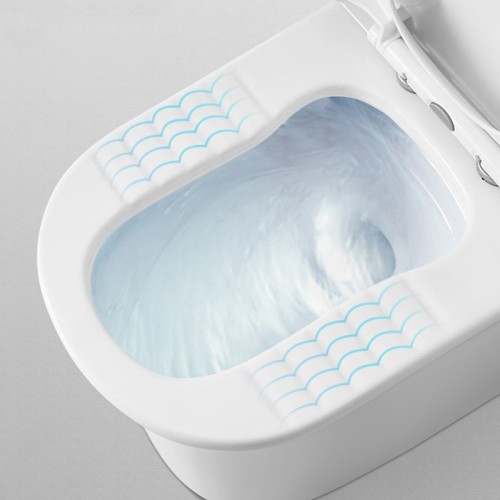
Hybrid waterless toilets combine two or more waste treatment methods, such as composting, drying, urine diversion, or incineration. They provide greater flexibility for long-term projects with varying environmental and operational requirements.
Best For
- Long-term sustainable developments
- Research facilities
- Eco-resorts
- Remote communities
- Specialized sanitation projects
Key Advantages
- Combines multiple treatment technologies
- Performs well in varying climates
- Flexible waste management options
- Designed for long-term use
Things to Consider
- Higher purchase cost
- More complex installation
- Maintenance requirements vary by system
| Type | Waste Treatment | Best For | Maintenance | Electricity |
|---|---|---|---|---|
| Composting | Biological composting | Off-grid homes | Moderate | Optional |
| Incinerating | High-temperature incineration | Cabins, RVs | Moderate | Usually Required |
| Desiccating | Drying and dehydration | Dry climates | Low | Optional |
| Urine-Diverting | Separates liquid and solid waste | Eco-homes | Moderate | Usually No |
| Portable | Temporary waste collection | Camping & events | Low | No |
| Hybrid | Combination of multiple technologies | Long-term sustainable projects | Moderate to High | Varies |
Did You Know?
Modern composting toilets can reduce the volume of human waste by up to 90% during the treatment process, depending on the design, operating conditions, and maintenance. Moreover, they use up to 70% less water than traditional toilets
Quick Comparison: Composting toilets suit long-term off-grid homes, incinerating toilets are ideal where electricity is available, desiccating toilets perform best in dry climates, urine-diverting toilets support sustainable waste management, and portable toilets are designed for temporary use.
Benefits and Limitations of Waterless Toilets
Like any sanitation solution, waterless toilets have both advantages and trade-offs. Their ability to operate without flushing water makes them an attractive option for water conservation, off-grid living, and sustainable development. However, the right choice depends on factors such as installation requirements, maintenance expectations, climate, budget, and intended use. Understanding both the benefits and limitations will help you determine whether a waterless toilet is the best solution for your home, business, or facility
Benefits of Waterless Toilets
Waterless toilets offer environmental, practical, and economic advantages that make them suitable for a wide range of residential, commercial, and public applications.
Conserves Water
Waterless toilets eliminate flushing water, helping households and businesses conserve thousands of litres of freshwater each year.
Works Without Extensive Plumbing
Most waterless toilets require little or no plumbing, making them ideal for off-grid homes, parks, campsites, and remote locations.
Supports Sustainable Sanitation
Waterless toilets reduce water use and support sustainable waste treatment through composting, dehydration, incineration, or urine diversion.
Can Reduce Long-Term Operating Costs
Although some models cost more upfront, they can reduce long-term water and infrastructure costs.
Suitable for a Wide Range of Applications
Waterless toilets are suitable for homes, businesses, parks, campsites, emergency response, and temporary worksites.
Limitations of Waterless Toilets

Advanced systems such as composting and incinerating toilets often cost more than conventional flush toilets because they include specialized treatment and ventilation components.
Higher Initial Investment
Advanced waterless toilets, especially composting and incinerating models, often cost more upfront than conventional flush toilets because they include specialized treatment systems, ventilation components, or electrical features.
Routine Maintenance Is Essential
Unlike conventional flush toilets, most waterless systems require regular maintenance, such as emptying compost or waste containers, cleaning ventilation components, or replacing consumable materials to ensure reliable performance.
Some Systems Require Electricity
Certain models, particularly incinerating toilets, rely on electricity or other energy sources to operate heating elements, fans, or control systems.
Users May Need Time to Adapt
Some waterless toilets require different usage habits, such as adding cover material or separating urine. New users may need a short adjustment period.
Waste Disposal Still Requires Planning
Compost, ash, or collected waste must be emptied and disposed of according to the manufacturer's instructions and local regulations.
Benefits vs Limitations at a Glance
| Benefits | Limitations |
|---|---|
| Saves water by eliminating flushing | Higher upfront cost for some models |
| Works without conventional plumbing | Requires routine maintenance |
| Supports sustainable sanitation | Some systems need electricity |
| Can reduce long-term operating costs | Users may need time to learn proper use |
| Suitable for off-grid and remote locations | Waste must be emptied periodically |
| LooREADY Expert Insight
Choosing a waterless toilet isn't only about saving water. The best system is the one that matches your location, expected usage, maintenance capacity, and hygiene requirements. In shared restroom environments, regular cleaning, proper ventilation, and user hygiene remain essential for delivering a safe and comfortable restroom experience, regardless of the toilet technology used. |
Waterless Toilets vs Traditional Flush Toilets
Waterless toilets and traditional flush toilets both provide safe sanitation, but they manage waste differently. Waterless toilets rely on composting, incineration, dehydration, or urine diversion, while flush toilets use water to transport waste into a sewer or septic system.
The comparison below highlights the key differences between the two systems.
| Feature | Waterless Toilet | Traditional Flush Toilet |
|---|---|---|
| Water Use | No flushing water required | Uses water with every flush |
| Plumbing | Usually not required | Required |
| Sewer Connection | Often not required | Required in most installations |
| Waste Treatment | Composting, incineration, dehydration, or urine diversion | Waste is transported to a sewer or septic system |
| Best Suited For | Off-grid homes, remote locations, campsites, eco-projects | Urban homes, offices, commercial buildings |
| Maintenance | Routine maintenance varies by system | Generally lower day-to-day maintenance |
| Installation | Often easier where plumbing is unavailable | Requires plumbing and sewer infrastructure |
| Environmental Impact | Conserves water and can reduce wastewater generation | Higher water consumption and greater dependence on wastewater infrastructure |
| Initial Cost | Varies depending on technology | Usually lower |
| Long-Term Operating Costs | May reduce water and infrastructure costs | Ongoing water and sewer charges |
Which One Should You Choose?
The best choice depends on your location, available infrastructure, budget, and long-term goals.
Choose a waterless toilet if you:
- Need a toilet in an off-grid or remote location.
- Want to reduce water consumption.
- Have limited access to plumbing or sewer infrastructure.
- Are you planning a sustainable home or eco-friendly project?
Choose a traditional flush toilet if you:
- Have reliable plumbing and sewer connections.
- Prefer minimal routine maintenance.
- Need a familiar solution for everyday residential or commercial use.
- Water conservation is not a primary concern.
| LooREADY Expert Insight
There is no one-size-fits-all sanitation solution. The most suitable toilet depends on where it will be installed, how many people will use it, and the level of maintenance it will receive. While waterless toilets are excellent for conserving water and reducing infrastructure requirements, maintaining proper restroom hygiene through regular cleaning, ventilation, and user awareness remains essential for both waterless and traditional toilet systems. |
Where Are Waterless Toilets Commonly Used?
Waterless toilets are used in a wide variety of residential, commercial, recreational, and public settings where access to water or conventional plumbing is limited, expensive, or impractical. Their ability to operate without flushing water makes them an effective sanitation solution for both permanent and temporary installations. From off-grid homes to disaster relief operations, waterless toilets help provide reliable sanitation while supporting water conservation and sustainable infrastructure.
Off-Grid Homes, Cabins, and Tiny Houses
Waterless toilets are widely used in off-grid homes and cabins where sewer connections are unavailable. Composting toilets are among the most common choices for long-term residential use.
Eco-Lodges, Glamping Sites, and Sustainable Resorts
Eco-lodges and resorts use waterless toilets to reduce water consumption while supporting sustainable tourism.
Boats, RVs, and Camper Vans
Boats, RVs, and camper vans use compact waterless toilets where space and freshwater storage are limited.
Public Parks, Campgrounds, and Nature Reserves
Waterless toilets provide dependable sanitation in natural areas where sewer infrastructure is impractical. They also help conserve water and reduce environmental impact.
Construction Sites and Temporary Worksites
Portable waterless toilets provide fast sanitation for temporary construction and industrial worksites.
Festivals, Outdoor Events, and Public Gatherings
Portable waterless toilets provide temporary sanitation for large crowds where conventional plumbing is unavailable.
Disaster Relief and Emergency Response
Waterless toilets can be deployed quickly during emergencies because they operate without running water or sewer connections.
Remote Industrial and Research Sites
Mining camps, research stations, and remote industrial sites use waterless toilets to provide dependable sanitation while reducing infrastructure requirements.
| Location | Why Waterless Toilets Are a Good Fit |
|---|---|
| Off-grid homes & cabins | Operate without plumbing or sewer connections |
| Tiny houses | Save space and conserve water |
| Parks & campgrounds | Protect natural environments and reduce infrastructure needs |
| Eco-lodges & resorts | Support sustainable tourism initiatives |
| Boats, RVs & camper vans | Ideal where water storage is limited |
| Construction & remote worksites | Quick installation without permanent plumbing |
| Festivals & outdoor events | Temporary sanitation for large crowds |
| Disaster relief & emergency shelters | Rapid deployment during emergencies |
| LooREADY Expert Insight
Selecting the right waterless toilet depends not only on the location but also on how frequently the facility will be used, the number of users, available maintenance resources, and local environmental conditions. A portable unit may be ideal for a weekend event, while a composting or urine-diverting toilet is often better suited for permanent off-grid installations. Matching the toilet type to the intended application helps improve performance, user comfort, and long-term hygiene. |
Who Should Consider a Waterless Toilet?
A waterless toilet may be a good choice if you:
- Live in an off-grid home or cabin
- Own an RV, boat, or camper van
- Manage a campground or public park
- Operate an eco-lodge or sustainable tourism facility
- Want to reduce water consumption
- Need sanitation in a remote location without sewer access
A traditional flush toilet may be more suitable if you have reliable plumbing infrastructure and prefer minimal maintenance requirements.
How to Choose the Right Waterless Toilet?
Choosing the right waterless toilet involves more than comparing prices or features. Consider where it will be used, how many people will use it, available utilities, climate, maintenance requirements, and local regulations before making a decision.
Consider How and Where It Will Be Used?
Match the toilet to the location, expected number of users, and intended frequency of use.
Think About Your Climate and Environment
Climate affects performance. Composting toilets work best in suitable biological conditions, while desiccating and incinerating toilets may perform better in specific environments.
Check Available Utilities
Some waterless toilets operate entirely without electricity, while others require power for ventilation or waste treatment. Confirm utility requirements before purchasing.
Compare Long-Term Costs
Consider the total cost of ownership, including installation, maintenance, operating costs, and potential water savings—not just the purchase price.
Understand the Maintenance Requirements
Every waterless toilet requires routine maintenance. Choose a system whose maintenance needs match the time and effort you are willing to invest.
Verify Local Regulations
Building codes and waste disposal regulations vary by location. Always confirm local requirements before installing a waterless toilet.
Common Mistakes to Avoid
Before purchasing a waterless toilet, avoid these common mistakes:
- Choosing a system without considering the expected number of daily users.
- Overlooking ventilation and installation requirements.
- Underestimating routine maintenance needs.
- Selecting an electric model for locations without reliable power.
- Ignoring local regulations for installation and waste disposal.
- Buying based only on price instead of long-term operating costs.
| LooREADY Expert Insight
The best waterless toilet isn't necessarily the most advanced or the most expensive-it's the one that fits your environment, usage, and maintenance capacity. Taking time to evaluate these factors before purchasing can improve performance, reduce long-term costs, and create a cleaner, more reliable sanitation experience. For shared restroom facilities, pairing the right toilet system with consistent cleaning and hygiene practices is essential for maintaining user comfort and public health. |
Maintenance Requirements at a Glance

Most waterless toilets require routine maintenance such as:
- Emptying compost, ash, or waste containers when needed.
- Adding carbon-rich bulking material to composting toilets.
- Cleaning the toilet seat and external surfaces with mild, non-abrasive cleaners.
- Checking ventilation pipes and fans to maintain proper airflow and odor control.
- Inspecting seals, containers, and moving parts for wear or damage.
- Following the manufacturer's maintenance schedule and recommended cleaning products.
Maintenance by Toilet Type
| Waterless Toilet Type | Typical Maintenance |
|---|---|
| Composting Toilet | Add bulking material, monitor compost, empty compost chamber periodically. |
| Incinerating Toilet | Remove sterile ash and inspect the heating system. |
| Desiccating Toilet | Empty dried waste and keep ventilation pathways clear. |
| Urine-Diverting Toilet | Clean urine diversion channels and empty waste containers. |
| Portable Waterless Toilet | Empty or replace waste bags/cartridges and clean the unit. |
| Hybrid Toilet | Follow maintenance requirements for the combined treatment systems. |
Best Practices for Long-Term Performance
Proper maintenance helps improve efficiency, reduce odors, and extend the lifespan of a waterless toilet. Following these simple practices can help keep the system operating reliably:
- Follow the manufacturer's operating instructions.
- Empty waste containers before they become full.
- Maintain good ventilation to reduce moisture and odors.
- Use only recommended cleaning products and composting materials.
- Inspect the system regularly for signs of wear, leaks, or blockages.
- Dispose of waste according to local regulations and the manufacturer's guidance.
| LooREADY Expert Insight
Waterless toilets are often perceived as high-maintenance, but most systems require only simple routine care when used correctly. The key to reliable performance is choosing a toilet that matches your expected usage and committing to a consistent maintenance schedule. In shared restroom environments, routine cleaning, proper ventilation, and good user hygiene are just as important as the toilet technology itself. |
Keeping Shared Waterless Toilets Hygienic
Waterless toilets are designed to provide safe and hygienic sanitation, but in shared environments, cleanliness depends on more than the toilet itself. Public parks, campgrounds, festivals, construction sites, workplaces, and other high-traffic facilities rely on regular maintenance and responsible user behavior to provide a safe restroom experience. Following a few simple hygiene practices can help reduce the spread of germs while making shared waterless toilets cleaner and more comfortable for everyone.
Wash Your Hands Thoroughly
Hand hygiene is one of the most effective ways to reduce the spread of bacteria and viruses after using any restroom. Wash your hands with soap and clean running water for at least 20 seconds. If handwashing facilities are unavailable, use an alcohol-based hand sanitizer containing at least 60% alcohol until proper handwashing is possible.[3][4]
Minimize Contact with High-Touch Surfaces
Door handles, locks, flush mechanisms (where applicable), and other frequently touched surfaces can collect germs throughout the day. When possible, use a tissue, paper towel, or your elbow to avoid direct contact with high-touch surfaces, and sanitize your hands afterward.
Consider Using a Flushable Toilet Seat Cover
Although properly maintained toilet seats generally present a low risk of disease transmission, many people prefer using a flushable toilet seat cover for additional peace of mind when using shared restrooms. Products like LooREADY Flushable Toilet Seat Covers provide a convenient hygienic barrier between the user and the toilet seat while remaining easy to carry and dispose of after use.
Dispose of Waste Responsibly
Follow the facility's waste disposal instructions and avoid placing inappropriate items inside the toilet or waste chamber. Proper waste disposal helps prevent blockages, simplifies maintenance, and supports the efficient operation of waterless toilet systems.
Help Keep the Restroom Clean
Shared restroom hygiene is a shared responsibility. Leaving the toilet clean after use, reporting maintenance issues, and following posted restroom guidelines help create a safer and more comfortable experience for everyone who uses the facility.
LooREADY Hygiene Tip
Whether you're using a waterless toilet or a traditional flush toilet, good personal hygiene remains the best way to reduce the spread of germs in shared restrooms. Carrying essentials such as hand sanitizer and flushable toilet seat covers can provide added confidence when traveling, attending outdoor events, or using public restroom facilities.
Final Thoughts
Waterless toilets offer a practical way to conserve water while providing reliable sanitation in homes, businesses, public facilities, and remote locations. Choosing the right system depends on where it will be used, how often it will be used, and the level of maintenance it requires.
At LooREADY, our mission is to help people make informed decisions about restroom hygiene, sanitation, and public restroom safety. Whether you're exploring waterless toilets, improving restroom cleanliness, or looking for practical hygiene solutions, understanding how sanitation systems and personal hygiene work together is essential for creating safer restroom experiences.


