
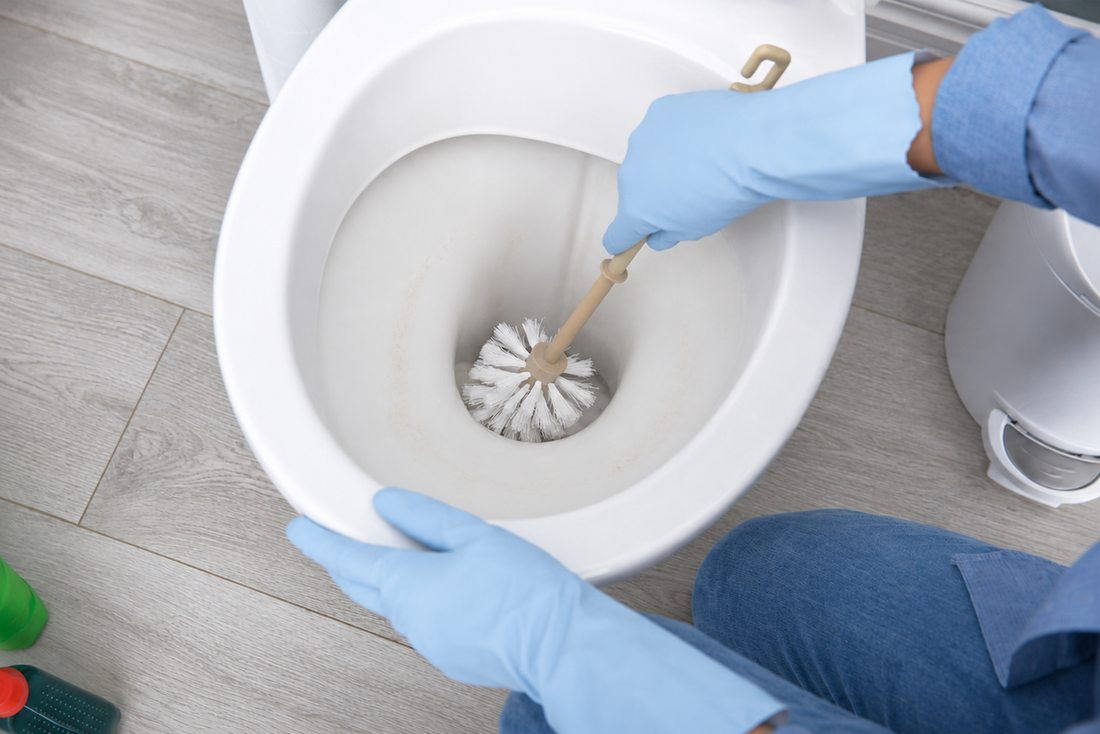
Black toilet bowl stains are one of the most common and frustrating maintenance issues in commercial restrooms. Unlike temporary discoloration, stains that keep returning often indicate underlying problems such as mold growth, bacterial biofilms, hard water deposits, contaminated toilet tanks, or aging plumbing. Beyond affecting restroom appearance, recurring stains increase cleaning costs, reduce user confidence, and can damage a facility's reputation if left unresolved.
This guide explains why black toilet bowl stains keep returning, the most common causes behind them, practical cleaning methods, and preventive maintenance practices that help keep commercial restrooms clean, hygienic, and ready for everyday use.
| Quick Answer
Why do black toilet bowl stains keep returning in commercial restrooms? Black toilet bowl stains keep returning because cleaning often removes only the visible stain, not the underlying cause. In commercial restrooms, recurring stains are most commonly caused by mold, bacterial biofilms, hard water minerals, iron or manganese in the water supply, contaminated toilet tanks, poor ventilation, or inconsistent maintenance schedules. Long-term prevention requires identifying the root cause rather than repeatedly cleaning the surface. |
The following sections explain each cause in detail, along with practical cleaning methods and preventive maintenance practices for commercial restrooms.
At a Glance
| Problem | Most Likely Cause | Best Solution |
|---|---|---|
| Black ring at the waterline | Mold | Disinfect + improve ventilation |
| Slimy black residue | Biofilm | Disinfect + scrub under rim |
| Hard black deposits | Hard water | Descaler |
| Returns after flushing | Dirty tank | Clean tank |
| Returns in multiple toilets | Water quality | Inspect plumbing |
Table of Contents
- At a Glance
- Common Reasons Black Toilet Bowl Stains Return in High-Traffic Restrooms
- How Maintenance Teams Can Remove Black Stains Effectively?
- Why Recurring Black Toilet Bowl Stains Matter in Commercial Restrooms?
- Recommended Cleaning Frequency for Commercial Restrooms
- Conclusion
Common Reasons Black Toilet Bowl Stains Return in High-Traffic Restrooms

Recurring black toilet bowl stains in commercial restrooms are usually caused by a combination of moisture, mineral deposits, bacterial growth, water quality issues, and inconsistent maintenance practices. In high-traffic facilities, these factors can cause stains to reappear even after routine cleaning. Identifying the underlying cause is essential because each type of stain requires a different maintenance approach. The following are the most common reasons black toilet bowl stains keep returning in commercial restrooms.
| Cause | Common Signs | Recommended Action |
|---|---|---|
| Mold & Mildew | Black rings near the waterline | Improve ventilation and disinfect regularly |
| Hard Water | Dark mineral deposits | Descale and inspect water quality |
| Bacterial Biofilm | Slimy black residue | Use disinfectants and scheduled cleaning |
| Pipe Corrosion | Rapid stain recurrence | Inspect plumbing and water supply |
| Dirty Toilet Tank | Stains return after flushing | Clean the tank regularly |
Why do the stains keep coming back even after cleaning?
In many commercial restrooms, black stains return because cleaning removes the visible discoloration but not the underlying cause. For example, mold spores may remain in damp areas. Also, mineral-rich water continues to deposit iron and manganese after every flush. Bacterial biofilms quickly reform on untreated surfaces. Contaminated toilet tanks repeatedly introduce new deposits into the bowl. Unless the root cause is addressed, the stains are likely to reappear within days or weeks.
How to Identify the Type of Black Stain Before Cleaning?
| If you notice... | It may indicate... |
|---|---|
| Slimy black residue | Bacterial biofilm |
| Hard rough deposits | Hard water minerals |
| Black ring after long closure | Mold |
| Stains after every flush | Dirty toilet tank |
| Random dark streaks | Pipe corrosion |
Recommended Inspection Order
- Inspect the toilet bowl.
- Check underneath the rim.
- Inspect the toilet tank.
- Look for hard water deposits.
- Review ventilation.
- Evaluate water quality.
- Inspect plumbing if stains return rapidly.
Mold and Mildew Growth

Mold and mildew are common culprits behind black stains in the toilet bowl. These fungi thrive in damp, dark environments, conditions that are easy to find inside and around a toilet, especially if the commercial restroom is poorly ventilated. When a toilet is not flushed regularly or cleaned often, stagnant water and humidity provide the perfect breeding ground for mold spores. Over time, you’ll notice black or dark green rings forming around the waterline or under the rim.
Mold isn’t just unpleasant; it can also be a health concern, especially for people with allergies or respiratory issues. To prevent mold growth, keep your commercial restroom well-ventilated, follow a scheduled maintenance program with an antifungal cleaner or white vinegar, and make sure to flush regularly. Addressing moisture buildup and ensuring airflow, such as by using an exhaust fan, can make a big difference in stopping mold before it takes over the toilet bowl.
Signs to look for
- Black rings around the waterline
- Stains return within a few days
- Damp restroom
- Musty odor
Hard Water Deposits

Hard water contains high levels of minerals like calcium, magnesium, iron, and manganese. When this water is used in toilets, these minerals can gradually build up, especially in areas where the water sits undisturbed, like the bowl's edges or under the rim. While calcium and lime create white or yellowish stains, iron and manganese often leave behind black or brown streaks, resembling mold. These deposits harden over time and become increasingly difficult to remove with standard toilet cleaning.
Using a toilet cleaner that’s specifically formulated for mineral buildup, like one containing citric acid or vinegar, can help break down and dissolve these hard water stains. Regular descaling and flushing, along with water softeners or filtration systems if available, can significantly reduce hard water residue and keep the toilet bowl cleaner and stain-free in the long term.
Hidden Biofilm Under the Toilet Rim
In commercial restrooms, black stains often begin underneath the toilet rim where moisture, bacteria, and mineral deposits accumulate unnoticed. Because this area receives less direct scrubbing during routine cleaning, biofilms can continue growing even when the visible bowl appears clean. Over time, these hidden colonies spread back into the bowl after each flush, causing stains to reappear quickly. Periodic deep cleaning beneath the rim helps eliminate hidden buildup before it becomes visible.
Bacterial Buildup

Black stains in the toilet bowl can also result from bacterial buildup. Certain bacteria, particularly sulfur or iron bacteria, can thrive in water systems and leave behind dark, slimy residues along the bowl’s surface. Bacterial biofilms create persistent staining and unpleasant odors and make routine cleaning less effective over time. When allowed to grow, they form biofilms, sticky layers that attract more dirt and contribute to foul odors and visible stains.
These black streaks often appear along the waterline or around the toilet rim, especially if the toilet isn’t flushed or scrubbed often. Using antibacterial toilet cleaners or bleach-based solutions can help break down and kill bacterial colonies. Scrubbing with a toilet brush after applying the cleaner ensures the bacteria are physically removed. Routine cleaning, good ventilation, and flushing the toilet at least once a day will go a long way in preventing bacterial buildup and keeping stains away.
Infrequent Flushing

Infrequent flushing is one of the lesser-known but most common causes of black stains in the toilet bowl. When a toilet sits unused for long periods, such as less-likely-used commercial restrooms or seasonal facilities, standing water becomes a breeding ground for mold, mildew, and bacteria. Without regular flushing, minerals from hard water begin to settle and harden on the bowl’s surface, while organic matter and bacteria multiply, leaving behind black, brown, or even greenish stains.
Infrequent use also means the toilet isn’t getting its usual cleaning, which accelerates the staining process. In low-traffic commercial facilities or seasonal buildings, schedule routine flushing for infrequently used toilets to prevent stagnant water and microbial growth. For extra protection, consider using an in-tank toilet cleaner that releases a small amount of cleanser with each flush. Regular flushing not only prevents stagnant water from becoming a problem but also keeps the toilet bowl cleaner, fresher, and free from stubborn black stains.
Pipe Corrosion and Water Quality Issues

In some commercial buildings, recurring black toilet bowl stains may indicate underlying pipe corrosion or water quality issues rather than surface contamination alone. Aging plumbing systems can release iron, manganese, and other minerals into the water supply, creating dark deposits that quickly return after cleaning.
The presence of these minerals doesn’t just affect the toilet bowl's appearance; it could signal aging pipes that need attention. If black stains return frequently, facility managers should schedule a plumbing inspection. Replacing corroded sections or installing a filtration system can help minimize mineral content and protect the facility's plumbing system. Early identification of plumbing issues helps reduce recurring stains while preventing larger maintenance and infrastructure costs.
Ineffective Cleaning Products

Using ineffective or overly gentle cleaning products can be a hidden cause behind persistent black stains in the toilet bowl. Many facilities opt for natural or basic cleaners like diluted vinegar or all-purpose sprays, which might not be strong enough to tackle mineral buildup, mold, or bacterial biofilms. These stains often require targeted solutions with disinfecting and descaling properties, such as bleach, hydrogen peroxide, or acid-based toilet cleaners. If the cleaning product being used doesn’t break down hard water deposits or kill bacteria effectively, the stains will return quickly, even after scrubbing.
In some cases, residues left behind by these mild cleaners can even feed bacteria and make the problem worse. Always read product labels to ensure the cleaner is suitable for removing tough toilet stains. For best results, pair a strong cleaner with a good toilet brush or pumice stone. Investing in the right cleaning supplies can significantly improve hygiene and keep the toilet bowl looking stain-free longer.
Contaminated Toilet Tank

A contaminated toilet tank can be a hidden source of black stains in the toilet bowl. Over time, mold, mildew, bacteria, and mineral deposits build up inside the tank, and every flush releases these particles into the bowl. If the tank is not cleaned regularly, this contamination can turn the water murky and leave dark rings, streaks, or patches in the bowl. This is especially common in areas with hard water or commercial restrooms that aren’t used frequently.
In many facilities, maintenance teams focus on cleaning the bowl while the toilet tank receives less frequent attention. To fix this, remove the tank lid and inspect the inside. If you see discoloration or sediment, it’s time to clean it using a mix of vinegar or bleach and a toilet-safe brush. By keeping the tank clean, you can stop the cycle of stains and ensure that each flush helps maintain a fresher, more sanitary toilet bowl.
How Maintenance Teams Can Remove Black Stains Effectively?
Removing recurring black toilet bowl stains in commercial restrooms requires more than surface cleaning. Maintenance teams should first identify whether the stains are caused by biological growth, mineral deposits, water quality issues, or poor maintenance practices before selecting the appropriate cleaning method. The following approaches can help remove existing stains while reducing the likelihood of them returning.
Not every black toilet bowl stain requires the same treatment. Using the wrong cleaning method may remove surface discoloration without addressing the underlying cause, allowing stains to return quickly. Before beginning any cleaning procedure, maintenance teams should identify whether the stain is caused by mold, bacterial growth, hard water deposits, or plumbing-related mineral buildup.
| Cause | Best Cleaning Method |
|---|---|
| Mold & Mildew | Bleach-based disinfectant |
| Hard Water | Vinegar or commercial descaler |
| Iron & Manganese | Pumice stone or descaling cleaner |
| Bacterial Biofilm | Disinfectant + scrubbing |
| Dirty Tank | Tank cleaning + flushing |
Which Cause Is Most Common in Commercial Restrooms?
In most commercial restrooms, recurring black toilet bowl stains are rarely caused by a single issue. High moisture levels, heavy daily usage, hard water, inconsistent cleaning schedules, and aging plumbing often work together, allowing stains to return even after thorough cleaning. Identifying the primary source of the stain before selecting a cleaning method helps maintenance teams solve the problem more efficiently and reduce unnecessary labor.
Use Baking Soda and Vinegar for Mild Mineral Buildup

One of the most popular and eco-friendly ways to treat black stains in the toilet bowl is using baking soda and vinegar.
For light mineral buildup, maintenance teams can apply a baking soda and white vinegar solution to affected areas, allow it to react for 15–30 minutes, scrub the bowl, and flush thoroughly. While this method works well for mild staining, recurring deposits may require commercial descaling products.
This method is effective because baking soda is mildly abrasive and vinegar has disinfecting properties that fight mold and bacteria. It’s safe for most plumbing systems and doesn’t introduce harsh chemicals into the facility. For stubborn stains, repeating the process once a week can help maintain a cleaner bowl and prevent black marks from returning.
Disinfect Mold and Biofilms with Bleach

Bleach is a powerful disinfectant and stain remover, making it a reliable choice for tackling black stains in the toilet bowl.
Apply a commercial bleach-based disinfectant according to the manufacturer's instructions, allowing sufficient contact time before scrubbing and flushing.
Be cautious when using bleach. Avoid mixing it with other cleaners like vinegar or ammonia, as it can release dangerous fumes. While bleach is highly effective for disinfecting and whitening, overuse can wear down toilet finishes and harm septic systems. Use it sparingly and only when needed for deep cleaning. For ongoing maintenance, combine this with more gentle scheduled maintenance programs like baking soda or toilet tablets to treat mold in the toilet bowl.
Remove Heavy Mineral Deposits with a Pumice Stone

For deeply embedded black stains in ceramic toilet bowls, a pumice stone can work wonders. These stones are mildly abrasive and effective for scrubbing away mineral buildup and mold without scratching porcelain. Before starting:
- Soak the pumice stone in warm water to soften it slightly and prevent surface damage.
- Also, wet the toilet bowl to ensure smooth movement.
- Gently scrub the stained areas with light pressure using circular motions.
- Avoid pressing too hard, as this could damage the glaze.
- Once the stains are scrubbed away, flush to rinse and reveal a cleaner bowl.
A pumice stone is especially useful for calcium or iron deposits that cleaners alone can't handle. However, it’s best used as a targeted treatment, not a routine. Always inspect the toilet bowl for any signs of cracking or weak spots before using abrasive tools. When done carefully, pumice stones can be an eco-friendly, chemical-free way to restore a spotless finish.
Remove Stubborn Mineral Deposits with Borax

Borax is a powerful yet often overlooked cleaning agent that can effectively treat the black ring in the toilet bowl.
Sprinkle it over the stained area, allow it to sit according to the product instructions, scrub thoroughly with a toilet brush, and flush. Borax is particularly useful for breaking down mineral deposits while providing mild disinfecting action. It is often used in commercial facilities located in hard water regions where recurring mineral stains are common.
Maintain Toilet Tanks with Cleaning Tablets

Toilet tank tablets are an easy, hands-free solution to help combat black stains before they form. These tablets are dropped into the toilet tank, where they slowly dissolve and release cleaning agents with each flush. Some formulas are specifically designed to reduce mold, mildew, and hard water buildup, key sources of black stains around the toilet waterline. To use:
- Remove the tank lid, drop the tablet in (away from any moving parts), and allow it to dissolve over time.
- Avoid using tablets that contain harsh bleach, as they may wear out toilet parts faster.
- Instead, choose tablets with gentle, stain-fighting ingredients that clean and deodorize without damaging internal components.
Using these regularly can help prevent the recurrence of black stains, minimize scrubbing, and keep the toilet bowl smelling fresh. However, they’re best used as a maintenance solution, not a replacement for occasional deep cleaning when stains do appear.
Schedule Regular Flushing for Low-Use Restrooms

Frequent flushing is one of the simplest yet most effective ways to prevent toilet bowl black buildup. Stains often develop when water sits stagnant for too long, allowing bacteria, mold, or mineral deposits to settle and grow. In a low-traffic restroom, infrequent flushing allows discoloration to build up over time. Include periodic flushing as a part of the facility's preventive maintenance schedule.
This keeps water circulating, which helps wash away lingering particles and prevents moisture-loving bacteria or mildew from settling on the surface. During planned facility closures or in low-use restrooms, schedule periodic flushing to prevent stagnant water and mineral buildup.
Include Toilet Tank Cleaning in Preventive Maintenance
The toilet tank is often overlooked during routine restroom cleaning, yet it can be a major source of recurring black toilet bowl stains. Over time, sediment, mineral deposits, mold, bacteria, and biofilms can accumulate inside the tank and enter the bowl with every flush, causing stains to reappear even after thorough cleaning.
As part of a preventive maintenance program, maintenance teams should inspect toilet tanks regularly for visible buildup and clean them using toilet-safe cleaning products that are compatible with the facility's plumbing system and the manufacturer's recommendations. Facilities located in hard water areas may require more frequent tank cleaning to control mineral deposits.
Including toilet tank inspections and cleaning in scheduled maintenance helps reduce recurring stains, improves flushing performance, extends the lifespan of restroom fixtures, and supports a cleaner, more hygienic commercial restroom.
When Should Maintenance Teams Call a Plumber?
Maintenance teams should investigate plumbing issues instead of repeatedly cleaning the toilet bowl when:
- Black stains return within a few days after deep cleaning.
- Dark deposits appear immediately after flushing.
- Multiple toilets develop similar stains simultaneously.
- Water shows visible discoloration or sediment.
- Mineral deposits continue despite regular descaling.
These symptoms may indicate pipe corrosion, excessive iron or manganese in the water supply, or plumbing issues that require professional inspection.
Maintenance Rule of Thumb
- Daily → Bowl cleaning
- Weekly → Rim inspection
- Monthly → Tank inspection
- Quarterly → Descaling
- Every 6–12 months → Plumbing inspection
Maintenance Tip
If black toilet bowl stains return within a few days of cleaning, the problem is often deeper than surface contamination. Recurring stains may indicate hard water minerals, bacterial biofilms, aging plumbing, or contamination inside the toilet tank. Addressing the root cause is more effective than repeatedly scrubbing visible stains.
Why Recurring Black Toilet Bowl Stains Matter in Commercial Restrooms?
Recurring black toilet bowl stains are one of the most persistent maintenance problems in commercial restrooms. Unlike occasional surface stains, recurring black discoloration usually indicates an underlying issue such as bacterial biofilms, hard water minerals, mold growth, contaminated toilet tanks, or plumbing-related water quality problems. Simply cleaning the visible stain rarely solves the problem permanently because the underlying cause remains untreated.
For businesses, recurring stains can also increase operational costs. Maintenance teams may need to spend additional time on deep cleaning, use stronger cleaning products, and respond to more customer complaints about restroom cleanliness. Preventing stains through regular inspections, scheduled maintenance, proper ventilation, and water quality management is often more efficient than repeatedly treating the same problem.
Did You Know?
Many recurring black toilet bowl stains are not caused by poor cleaning at all. In commercial buildings, mineral-rich water, aging plumbing, and contaminated toilet tanks can reintroduce stains immediately after every flush, even when the bowl has been thoroughly cleaned.
Supporting Restroom Hygiene Beyond Cleaning
Even the best commercial restroom maintenance programs cannot completely eliminate user concerns about shared toilet seats. While routine cleaning removes dirt, bacteria, and visible stains, restroom users rarely know when the toilet was last sanitized. This uncertainty is why many organizations provide flushable toilet seat covers as an additional hygiene measure.
LooREADY's flushable toilet seat covers complement existing cleaning programs by providing an added hygienic barrier between users and shared toilet seats. They are particularly valuable in high-traffic facilities such as railway stations, airports, hospitals, shopping malls, educational institutions, and office buildings, where thousands of people may use the same restroom every day.

Recommended Cleaning Frequency for Commercial Restrooms
Commercial restrooms should follow a cleaning schedule based on usage rather than waiting for stains to appear. High-traffic facilities such as airports, railway stations, hospitals, shopping malls, and office buildings often require multiple cleaning rounds each day to prevent black stains from developing.
| Task | Recommended Frequency |
|---|---|
| Toilet bowl cleaning | Daily or multiple times daily in high-traffic facilities |
| Toilet tank inspection | Monthly |
| Toilet tank deep cleaning | Every 3–6 months |
| Hard water descaling | Monthly (or more often in hard water areas) |
| Plumbing inspection | Every 6–12 months |
| Ventilation inspection | Quarterly |
Preventive Maintenance Checklist
- Maintain a consistent restroom cleaning schedule.
- Inspect toilet tanks for sediment, mold, and mineral buildup.
- Descale bowls regularly in hard water areas.
- Improve restroom ventilation to reduce moisture.
- Schedule flushing for low-use restrooms.
- Monitor water quality where stains return frequently.
- Replace worn plumbing components when corrosion is identified.
- Train maintenance staff to identify the root cause instead of repeatedly treating surface stains.
Conclusion
Recurring black toilet bowl stains are more than a cosmetic issue in commercial restrooms. Whether caused by mold, bacterial growth, hard water minerals, plumbing issues, or inconsistent maintenance, they can affect restroom hygiene, user confidence, and operational efficiency.
The most effective approach is to identify the underlying cause, apply the appropriate cleaning method, and establish a preventive maintenance program that reduces recurring stains over time. Regular inspections, proper ventilation, water quality management, and scheduled cleaning all contribute to cleaner and more hygienic restroom facilities.
The most successful commercial restroom maintenance programs focus on prevention rather than repeated stain removal. By identifying the root cause early, maintaining consistent cleaning schedules, monitoring water quality, and supporting users with additional hygiene measures such as LooREADY flushable toilet seat covers, businesses can reduce maintenance costs while creating cleaner, healthier, and more trusted restroom environments.


